Rummy How-To: Use a Two-Column Draw Journal
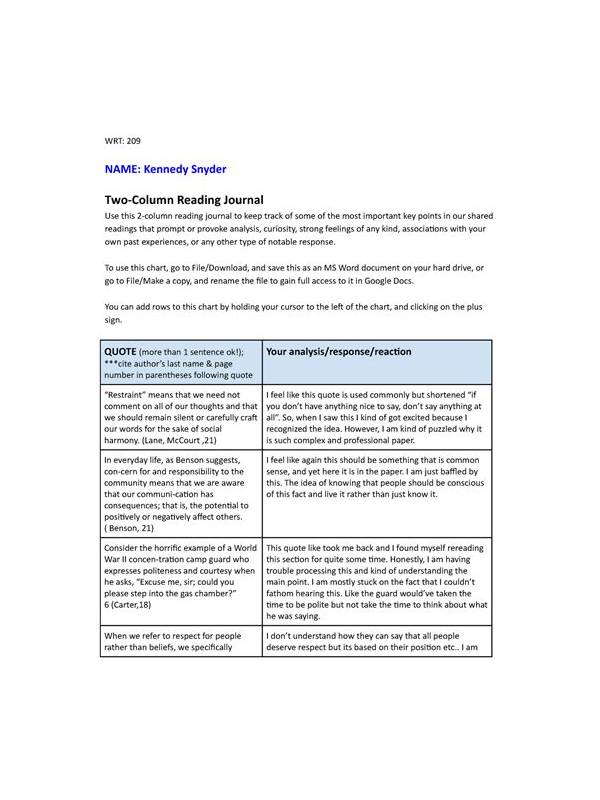
A draw journal is useful when it records decisions without turning practice into paperwork. The two-column method is simple: write “expected help” on the left and “actual evidence” on the right. Reviewing the difference teaches more than recording whether the round ended in a win.
Before the first draw, list the cards that would improve your main plan. Keep the list short. If every card in the deck appears on it, you are describing a wish rather than a decision. Add a second line for the backup plan, then write one card or pair that you can release if neither route develops.
After each turn, record what you drew, what you discarded, and whether the new card changed the plan. In the evidence column, note visible facts: a needed card appeared in the discard pile, an opponent picked from a suit, or your hand gained a clean sequence. Avoid writing interpretations such as “the opponent definitely needs hearts.” Facts remain useful when your interpretation changes.
At the end of the round, compare the columns. Did the expected cards remain plausible? Did you keep a card after its evidence weakened? Did the backup plan receive a fair chance? These questions reveal process errors without requiring perfect knowledge of hidden hands. They also show whether your early plans were too narrow or simply unlucky.
Keep the journal time-boxed. A minute after a hand is enough for a few sentences. Long analysis can become another distraction, and it may encourage you to invent explanations for random events. Use a neutral tone: “I kept the pair for two turns after both connecting ranks were visible,” not “I played terribly.”
After several sessions, look for repeated patterns. You may discover that you overvalue middle cards, ignore the discard pile, or fail to set a deadline for a narrow draw. Choose one pattern for the next practice session. The journal works best as a feedback loop: observe, write, choose one adjustment, and test it again. It is a learning aid, not a prediction machine.
You can make the journal even lighter by using symbols. A plus sign can mean a clean improvement, a question mark an uncertain route, and a minus sign a card that became less useful. At the end of the session, translate only the repeated symbols into sentences. This preserves the speed of play while still creating useful evidence for review.
Avoid comparing your notes with a single lucky result. Compare several hands or several sessions. A method should be judged by whether it produces clearer decisions over time, not by whether one expected card happened to arrive immediately. The journal is valuable precisely because it separates process from outcome.
Related Post
Rummy FAQ: Why Do Good Cards Sometimes Need to Be Discarded?
A useful card can still be the right discard when it costs more than it [...]
Rummy Guide: Use a Clock Check at Three Points in Every Hand
Three brief clock checks can keep a rummy plan aligned with the hand’s changing urgency [...]