Rummy Comparison: Keeping a Card or Taking New Information

Every draw contains two benefits: a chance to improve the hand and information about what is available. Keeping a promising card protects a route, but it may also delay learning whether that route is realistic. Comparing these benefits helps when a hand has one attractive pair and several uncertain alternatives.
Start with the card’s current evidence. Does it complete a legal group, sit in a one-step sequence, or merely share a suit or rank with another card? A one-step route is useful when the missing card has multiple ways to arrive, but weaker when it depends on one narrow card. Write down the route and its replacement cost before deciding to protect it.
Next, evaluate what a new draw could clarify. Drawing from a visible discard may answer a specific question about a route, while drawing from a closed pile provides less direct information but may preserve privacy about your plan. Neither source guarantees improvement. The choice depends on the format, the visible cards, and the cost of discarding after the draw.
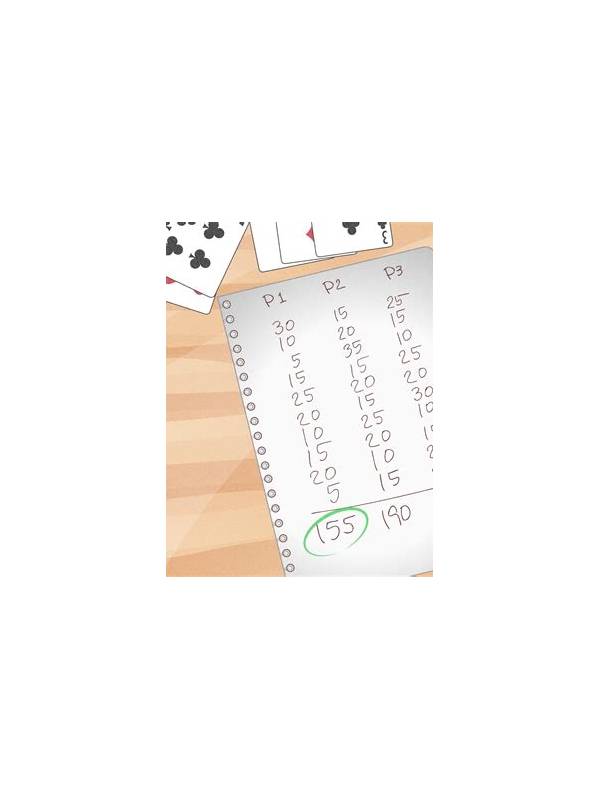
Use a simple comparison table in your notes: current group, needed cards, alternative use, penalty if abandoned, and what the next draw would teach. A card that scores poorly but teaches little may be a better discard than a higher card that keeps two strong routes alive. Conversely, abandoning a nearly complete required group can be expensive even when the replacement looks interesting.
Make the decision reversible when the hand is early. Preserve options if doing so costs little. As the hand progresses, prefer clearer legal progress and reduce speculative branches. Afterward, ask whether the choice was about improvement or information. Both can be valid goals, but confusing them makes review difficult. Naming the goal turns an uncertain turn into a useful lesson.
The comparison is easier when you define a deadline. For example, protect the route for one more draw, then reassess whether the missing card remains plausible. A deadline prevents a promising idea from becoming a permanent excuse to postpone discarding. If the route improves before the deadline, update the plan. If it does not, accept the information and choose the action that leaves the cleanest remaining structure.
Make the deadline visible in a note or mental count. A named limit turns patience into a deliberate choice rather than passive waiting. It also gives your post-hand review a clear moment to examine.
The deadline can be shorter when the table is close to ending or when holding the card carries a large penalty. Adjust it to the format and current hand rather than treating one timing rule as universal.
Related Post

Rummy FAQ: What Is a Route With Fewer Dependencies?
A route with fewer dependencies usually needs fewer specific arrivals, making it easier to evaluate [...]
Rummy Guide: Use Suit Distribution to Spot Flexible Openings
A quick way to read suit distribution can help you choose a flexible opening plan [...]