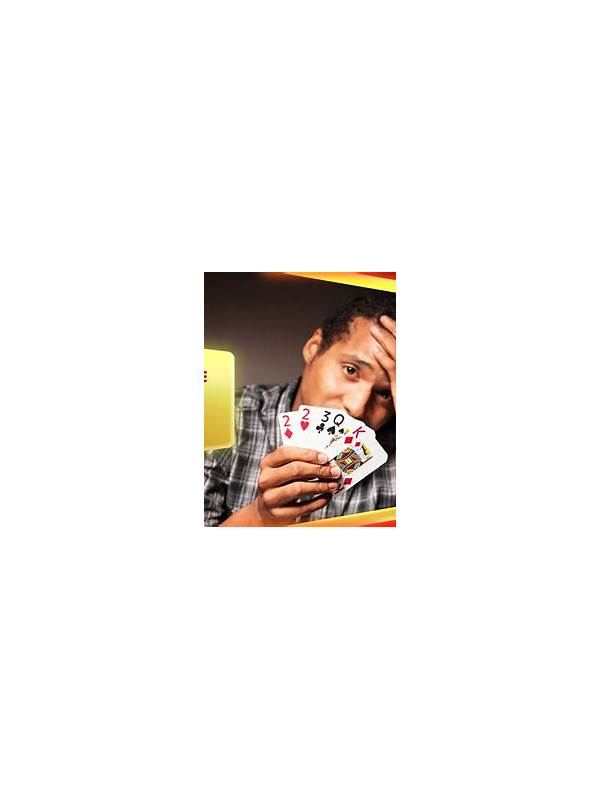
Rummy Learning: Turn Mistakes Into Specific Questions
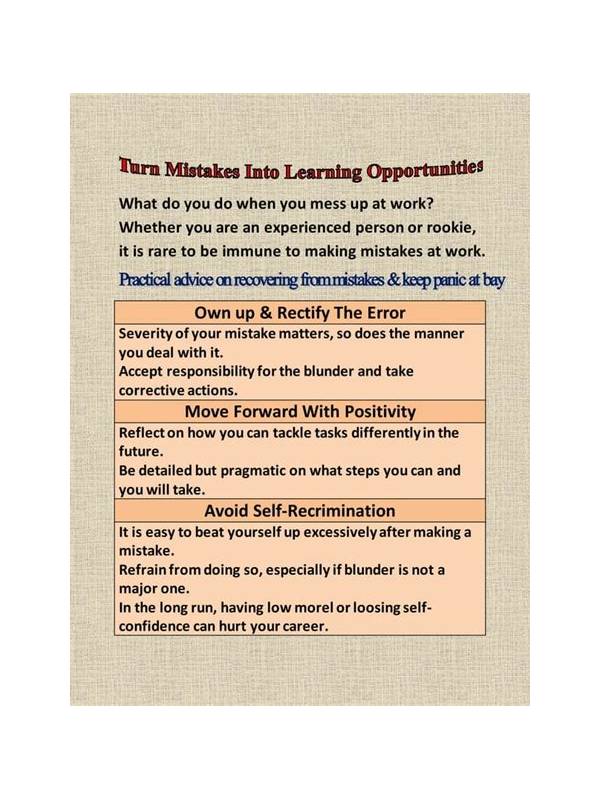
“I played badly” is too broad to guide improvement. A better review turns each mistake into a specific question. This approach separates a rule error, a planning error, and an unavoidable outcome, so your next practice session has a useful target.
Start with the observable event. Write what happened without a verdict: “I discarded the nine of spades after drawing a joker,” or “I confirmed the hand without checking the final group.” Facts are easier to examine than labels such as careless or unlucky. Include the variant and stage of the hand if you remember them.
Next ask what information was available. Which groups were complete? Which cards had realistic connections? What did the discard pile show? Was the timer low or were you interrupted? This question prevents hindsight from adding information that was invisible at the time.
Then identify the decision rule you used. Perhaps you released the highest card, protected a pair, copied a previous habit, or chose the newest card’s obvious partner. Naming the rule reveals whether it was suitable for that situation. A rule can be reasonable in one stage and poor in another.
Convert the review into one question for practice. “How can I compare two isolated cards?” is actionable. “Why do I always lose?” is not. Use questions about process: Did I check for a pure sequence? Did I count exact draws? Did I compare the resulting discard? Did I follow the table’s rules?
Finally, choose a small experiment. For the next five hands, pause before discarding and name two candidates. Or practice declaration checks with ten sample hands. Keep the experiment short enough to complete and specific enough to evaluate. Do not change several habits at once.
Some outcomes will remain uncertain. A sound decision can lead to a poor result, and a weak decision can succeed by chance. The purpose of review is to improve the quality of choices under available information. Specific questions make that purpose visible and keep learning constructive.
Review only when you are calm enough to be fair to the evidence. A short, neutral question can guide the next exercise; harsh self-judgment usually produces vague conclusions and no practical change.
Constructive review ends with an action.
That action should be simple enough to try soon.
Related Post
Rummy FAQ: Why Is a Backup Plan Useful?
This FAQ explains how a backup plan supports flexibility without encouraging rummy players to hold [...]
Rummy FAQ: What Is a Card Role Change?
A card role change happens when new evidence makes a card useful for a different [...]