Rummy Comparison: Memory Practice Versus Written Practice
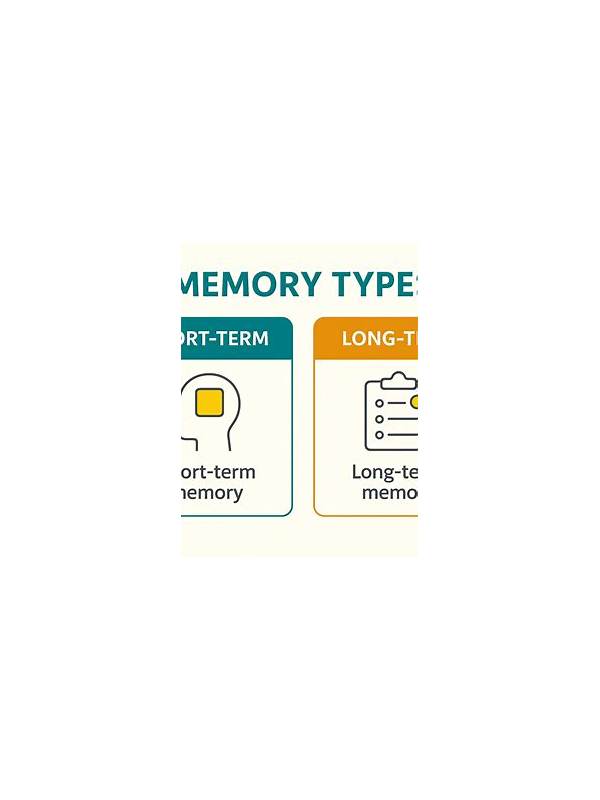
Remembering visible cards and writing them down are not interchangeable practice methods. Memory practice develops attention and recall under limits, while written practice makes structure easier to inspect. Comparing them helps you train the skill a real table actually demands rather than confusing neat notes with strong recall.
Memory practice begins with a short observation window. Look at the hand and visible discards, then describe the important facts without checking again. Start with your own groups and the most relevant open cards. Do not try to memorize every item immediately. The goal is accurate prioritization: knowing which facts deserve space in your attention.
Written practice slows the hand down in a useful way. Record card roles, missing requirements, and the reason for a candidate discard. This reveals assumptions that felt obvious when you were moving quickly. It is also better for reviewing a complex decision after the hand, because you can compare the original plan with later evidence.
Each method has a weakness. Memory can reward confidence even when details are wrong. Writing can create a false sense of control because the page holds information that would not be available during a fast turn. To test transfer, use a two-stage drill: write a plan, cover it, play or solve the next decision from memory, then uncover the note and compare.
Measure errors by type. Did you forget a rank, confuse a suit, overlook a new discard, or remember an old plan after it became irrelevant? The correction differs for each error. A misplaced rank calls for slower reading; an outdated plan calls for a reversal point; excessive note-taking calls for shorter labels.
Keep notes free of personal data and account details. Use a hand code or generic symbols. Alternate methods across sessions and keep the focus narrow. Memory is useful for live awareness; writing is useful for diagnosis. Together they create a learning loop in which you can see what you noticed, what you forgot, and which decision deserves a better routine next time.
Vary the recall delay as well. Check immediately after a turn, after several turns, and at the end of a short round. This shows whether information is being retained or merely repeated while visible. Accuracy matters more than the number of cards remembered. If recall drops sharply, simplify the target to confirmed groups and critical public cards, then add detail gradually.
Review the pattern weekly rather than after every isolated miss. Memory improves through calm repetition, not pressure.
Related Post

Rummy Time Controls: Choosing a Pace You Can Follow
Compare table speeds and time limits by the amount of attention each decision requires. [...]
Rummy Comparison: Build Around Runs or Sets First?
Runs and sets offer different kinds of flexibility, so compare their evidence and replacement cost [...]