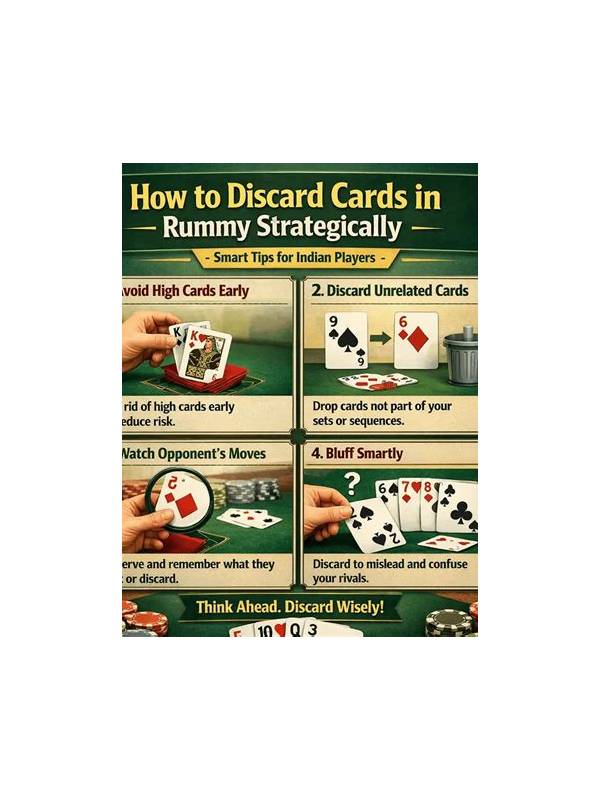
Rummy Mistake Recovery: What to Do After a Bad Discard

A bad discard can feel like it has decided the whole round, but the next mistake is often more damaging than the first. Once a card leaves your hand, treat that decision as fixed and focus on the position that remains. A recovery routine keeps frustration from turning one error into several.
Confirm what actually happened
First check whether the card was truly discarded or whether the interface is still waiting for confirmation. If the app offers an undo under the table’s rules, read the prompt carefully before using it. If the action is final, do not rely on memory alone: inspect your current hand and the public discard pile. A calm factual reset is more useful than arguing with the result.
Restore a legal direction
Rebuild your hand around the most reliable requirement. If you still lack a pure sequence, preserve cards that can form one and release disconnected high cards when appropriate. If a pure sequence is already safe, look for the group or second sequence with the widest range of completions. Avoid trying to replace the exact card you lost if that pursuit makes the rest of the hand weaker.
Reduce information leaks
After a conspicuous error, players sometimes discard rapidly or choose a card just to appear confident. That creates more noise and may reveal useful cards. Take the normal amount of time allowed, use the same decision filter as before, and avoid explaining the mistake in chat. The table cannot change the discarded card, but it can react to your later choices.
Review after the round
Do not analyse the hand while still emotionally invested in the outcome. After the round, write one sentence describing the error: “I discarded a card that served two possible groups,” for example. Then add one prevention rule, such as “check contested cards before discarding.” Keep the lesson specific. A broad note like “play better” offers no future action.
If mistakes are happening because of lag, fatigue, or an unclear interface, address that cause before entering another table. Set a stopping point and use practice mode to rehearse the controls. Recovery is not about pretending the error did not matter; it is about limiting its consequences and turning it into a measurable improvement.
If the mistake involved a payment, entry, or re-entry, review the account activity only after the game has settled. Check the actual transaction and any fee rather than estimating from memory. If something appears unauthorized or unclear, use the platform’s official support route and protect your account. Never chase a technical or strategic error with an immediate deposit. A pause creates room to determine whether the issue was cards, controls, connection, or spending pressure.
Related Post
Rummy Game History: What to Record for Your Own Review
A small, privacy-conscious game record can clarify patterns without requiring players to save sensitive account [...]
Rummy Tips: Use a Quiet Reset After a Confusing Draw
A short reset after an awkward draw can restore hand structure before a rushed discard [...]