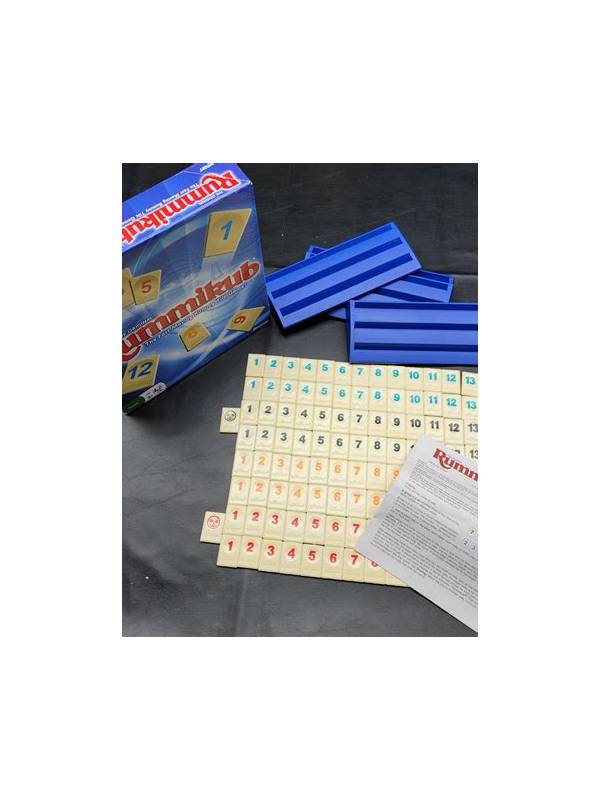
Rummy Practice: Compare Two Discard Candidates
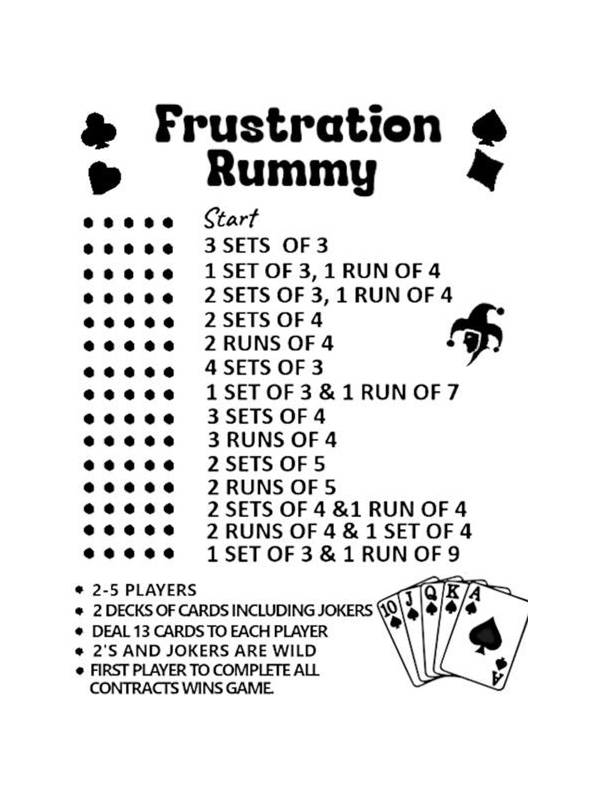
A useful rummy practice drill begins with a simple question: which of two cards should leave the hand? The exercise is valuable even without a live table because it makes your reasoning visible. Instead of searching for one perfect rule, you learn to balance several kinds of evidence.
Create a sample hand with two possible discards. For example, include a high isolated card and a lower card that is part of a possible sequence. Do not decide immediately. Write three notes for each candidate: current connection, future connection, and point cost. This prevents the eye from focusing only on the most obvious feature.
Now add table information. Imagine that one neighboring card has already appeared in the discard pile, while another suit has been repeatedly taken by an opponent. Which candidate changes? The answer may still be the same, but you should be able to explain why. If the information is too weak, mark it as a tiebreaker rather than a deciding factor.
Run the exercise again with a different hand stage. Early in a deal, a flexible card may be worth keeping because many routes remain open. Near the end, a card that does not fit a complete group may need to go even if it has theoretical neighbors. Timing changes the value of possibility.
After choosing, challenge the decision with one counterargument. Ask what would make the other discard better. This habit reduces attachment to the first answer and prepares you to revise when a new card arrives. The goal is not to prove yourself right; it is to identify the condition that changes the choice.
Keep a small record of the exercise. Note the hand, your choice, and the main reason. Review a few entries later to see whether you rely too much on high-card points, imagined opponent needs, or attractive but weak connections. A pattern in your explanations is often more useful than a single right or wrong answer.
Ten minutes of this drill can sharpen real-table decisions. By comparing candidates systematically, you turn discarding from a reflex into a repeatable evaluation. Do not grade the drill only by whether your selected card matches an answer key. Many positions have more than one defensible choice. Grade the explanation: did you identify the strongest current group, account for future connections, and avoid treating a weak opponent read as fact? That is the transferable skill.
Related Post

The Ultimate Guide to the Best Rum Apps for 2026
The Ultimate Guide to the Best Rum Apps for 2026 Are you a rum enthusiast [...]
Rummy FAQ: What Is the Cost of Keeping a Second Joker?
A second joker can add flexibility, but its value should be weighed against space, structure, [...]