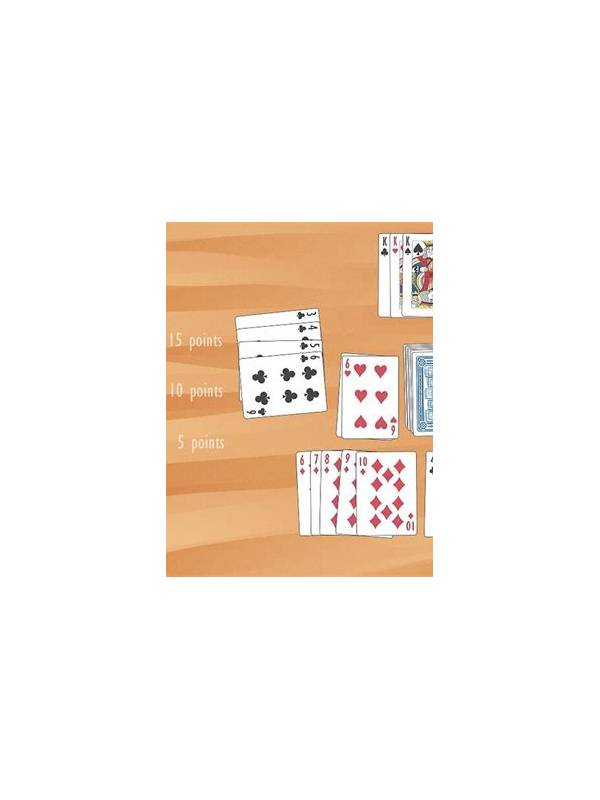
Rummy Practice: Explain One Discard in Plain Language
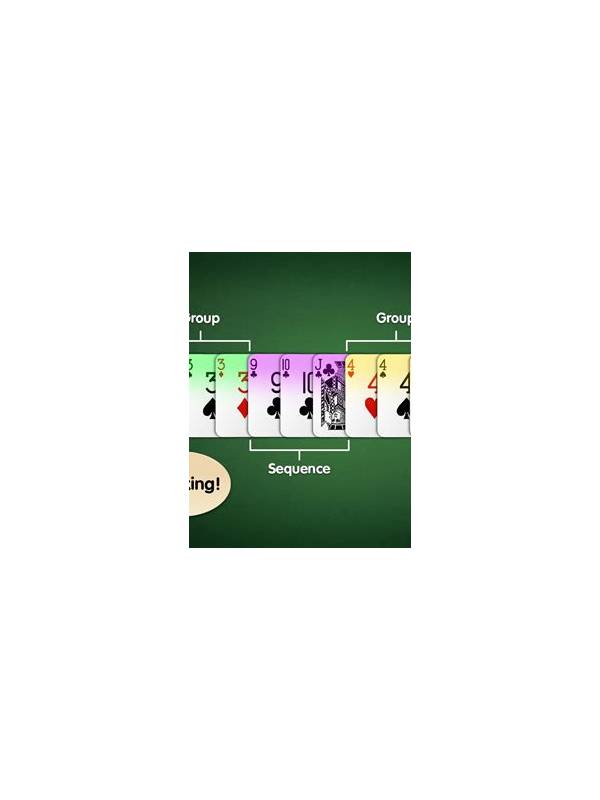
One of the best rummy practice exercises requires no opponent: explain one discard in plain language. The exercise turns an instinctive move into a reviewable decision and helps separate a sound reason from a lucky result.
Recreate a small position
Use a hand from a completed round or deal a random practice hand. Record only the relevant cards, recent public discards, and the variant rules. You do not need to reconstruct every hidden card. The purpose is to analyze one choice, not invent perfect knowledge.
State the card’s job
For the discarded card, write what job it had before release. Perhaps it was an isolated high card, part of a narrow pair, or a connector supporting two routes. If you cannot name its job, the discard may have been obvious. If it had several jobs, note why those jobs were outweighed.
Name the retained alternative
Explain why the cards you kept offered better prospects. Use concrete language: “This card extended a sequence and could also become a backup connector,” or “This pair needed one exact rank, while the other card had two possible extensions.” Avoid explanations based only on the eventual outcome.
Check the table context
Mention any public information that affected the choice. A needed card may have appeared already, or a discard may have looked dangerous for the next player. Treat these observations as evidence with limits. Do not claim to know an opponent’s hidden hand.
Improve the next version
Finish by writing one alternative you would consider now. It may be identical to the original choice, but the reasoning should be clearer. If the alternative is better, identify the missing question that would have exposed it in real time.
Repeat this exercise with only pivotal turns. Ten thoughtful reviews are more useful than replaying every action. Over time, plain-language explanations create a compact personal rulebook based on your own decisions and the rules of the variant you play.
Keep the review factual. Write “I held a pair for three turns after its only visible support disappeared,” rather than “I played badly.” The first sentence identifies a behavior you can test; the second creates a label without a remedy. Good notes should make the next practice session more focused.
Related Post
Rummy FAQ: Can You Change a Meld After Arranging It?
Understand why rearranging cards can help during planning while the table rules still control any [...]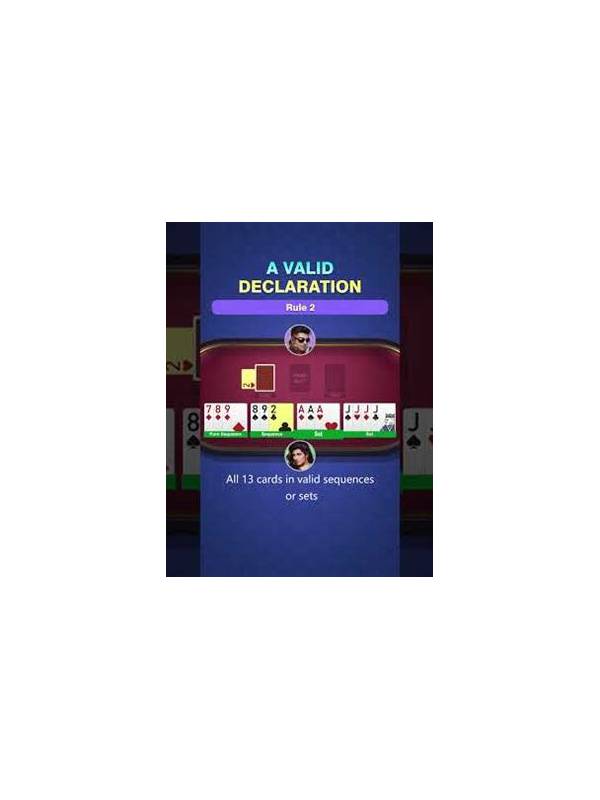
Rummy FAQ: What Makes a Declaration Valid?
A pre-declaration checklist explains the common structural conditions behind a valid rummy declaration. [...]