Rummy Practice: The One-Card Improvement Exercise
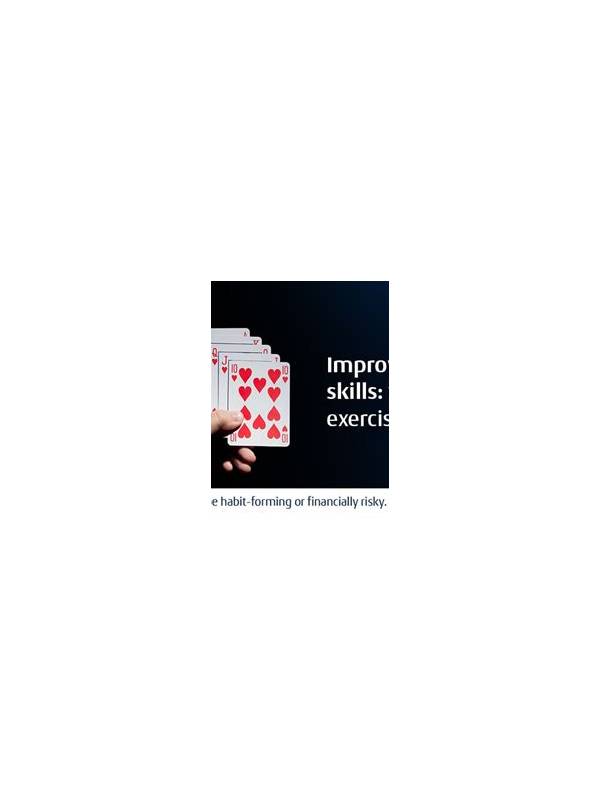
You can practice rummy decision-making without playing a complete session. The one-card improvement exercise starts with a random hand and asks what single draw would improve it most. The goal is not to predict the next card perfectly; it is to compare plans and explain your reasoning.
Deal thirteen cards from a standard deck, or use a hand from an old practice record. Arrange them into provisional groups. Mark any pure sequence, possible set, and loose card. Then choose one ungrouped card and list two or three cards that would improve the hand. Be specific: “seven of clubs completes this sequence” is more useful than “a club would help.”
Next, compare the improvement cards. One may complete a pure sequence, another may create a set, and a third may connect two cards into a longer run. Rank them by structural value, not excitement. Completing a required pure sequence usually deserves priority over adding a minor extension to a group that is already useful.
Now imagine drawing each candidate separately. Reorganize the hand and name the new discard candidate. This step matters because an improvement is valuable only if it leaves a sensible hand after the discard. A draw that creates a group but leaves a costly isolated card may be less helpful than one that improves two existing plans.
Repeat the exercise five times with different loose cards. Keep a short record of the card examined, best improvement, and reason. If you use a real-money app, keep this exercise separate from spending decisions; it is a skill drill, not a reason to extend a session.
To make the exercise harder, restrict yourself to one minute, then check your reasoning slowly afterward. You can also ask a friend to choose the hypothetical draw so you cannot prepare for it. Avoid judging yourself by whether the imagined card would actually appear. Judge whether you identified a realistic improvement and preserved valid structure.
This drill develops several transferable habits: sorting by role, recognizing pure-sequence priorities, comparing exact requirements, and finding the discard that follows a draw. Ten focused minutes can reveal more about your process than a long unfocused session. Change one rule at a time and record the lesson that remains useful for the next practice round.
Related Post
Rummy How-To: Label Cards by Their Current Job
Assigning each card a current job makes hand review quicker and exposes cards that are [...]
Rummy Tips: Notice When a Plan Has Become Expensive
A plan becomes expensive when it consumes turns, flexible cards, and attention without improving the [...]