Rummy Practice: Predict the Next Useful Card
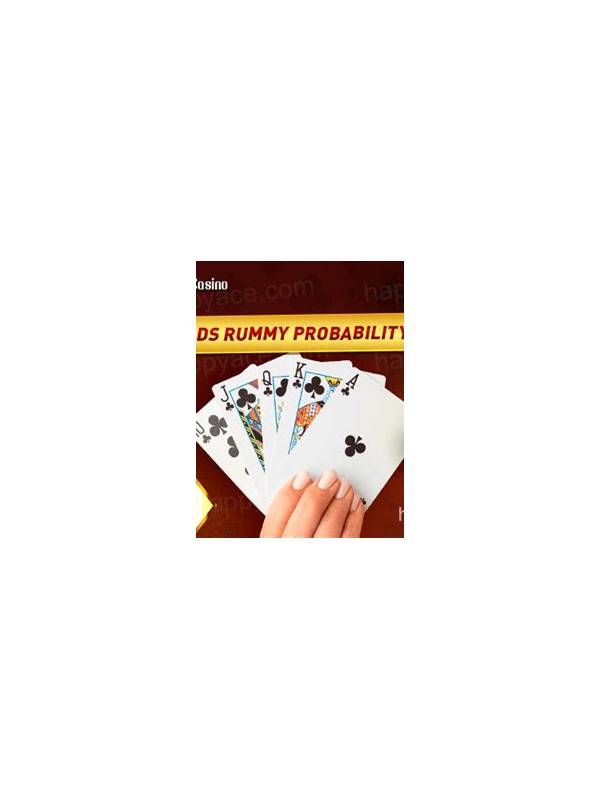
A useful rummy exercise is to pause before each draw and predict which cards would improve the hand. The point is not to demand that the prediction come true. It is to make your plan explicit, compare alternatives, and learn how often your thinking depends on one narrow outcome.
Begin with an unsorted hand and identify its strongest current groups. For each unfinished idea, write the rank and suit that would help, then list any second-best card if one exists. If a plan has only one precise answer, label it narrow. If several cards improve it, label it flexible. This distinction is more informative than calling a hand simply “good” or “bad.”
Before looking at the next card, predict its effect. Will it complete a group, create a new connector, reduce point exposure, or add clutter? Include the discard you would make for each likely result. Planning the discard in advance prevents the new card from dictating the whole turn.
Reveal the card and compare it with the prediction. If it helps, explain why the plan worked. If it does not, check whether another route remains. Do not count a near miss as proof that the original plan was correct; note whether the card had genuinely useful alternatives. This keeps the exercise honest.
Repeat for five turns, then review your notes. Look for patterns such as overvaluing pairs, forgetting suit requirements, or naming too few useful outcomes. Choose one pattern for the next practice round. A short focused exercise produces better feedback than trying to remember every turn.
Use random or practice hands and avoid spending money for this drill. Probability can guide expectations, but it cannot guarantee a draw. The skill you are building is conditional planning: knowing what would help, what would fail, and how you will respond without treating any prediction as a promise. You can compare a prediction made from your own hand with one made after viewing public discards. The second prediction should be more informed, but not certain. If the difference is small, your original plan may already have been flexible. If the difference is large, practise recording visible evidence before committing to a narrow route.
Change one variable at a time in later rounds. For example, compare predictions with and without the open pile, or compare early and late turns. This makes the lesson clearer. The exercise is successful when you know which evidence changed your judgment, even if the card you wanted never appeared.
Related Post
Rummy FAQ: What Is a Bridge Card in a Crowded Hand?
A bridge card connects candidate structures, but its value depends on the routes it really [...]
Rummy Safety: Protect Personal Information in Practice Notes
Simple note-taking habits can keep rummy study useful without exposing private account details. [...]