Rummy Practice: Score Decisions, Not Just Results
Wins and losses are easy to record, but they are incomplete measures of rummy progress. A strong decision can lose because the needed card never arrives, while a weak decision can win because the draw happens to cooperate. Scoring the quality of decisions gives practice a fairer and more informative record.
Choose a small scale. For example, give a decision one point if you identified a clear route, one point if you considered a realistic replacement, and one point if your discard matched the information available. You can also subtract a point when you kept a card without a reason or changed plans solely because of frustration. Keep the scale consistent rather than making it elaborate.
Score only important moments. The first discard, a route change, and the final decision before a declaration are usually enough. For each moment, write the reason in a few words. “Protected sequence; four plausible extensions” is more useful than “good.” “Kept pair because it felt safe” identifies a habit to examine.
After the hand, record the result separately. A result column can say win, loss, or unfinished, but it should not alter the process score. Compare the columns over several sessions. If your process scores improve while results remain mixed, your practice may still be working. Random outcomes need time to average out.
Review low scores for patterns rather than shame. Perhaps you fail to update replacement counts, overlook the cost of high cards, or keep a route beyond its stop rule. Pick one recurring issue for the next session. Too many goals can make the scoring system another distraction.
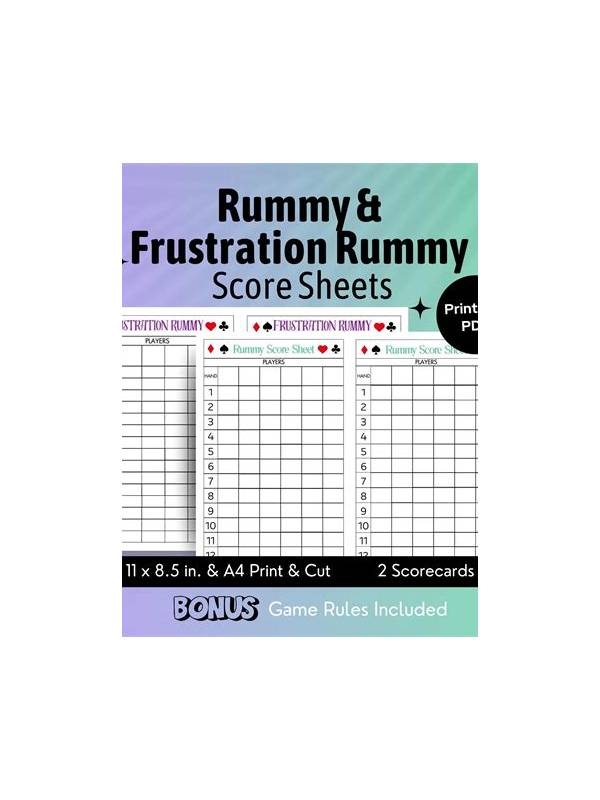
You can also note decisions that surprised you. A high process score with an unexpected result is a useful example of uncertainty. A low score followed by a win is a reminder that success does not automatically validate the method. Over time, decision scoring builds a record of how you think, not just how the cards happened to fall. Keep the record private and practical. You do not need to compare scores with other players, because different games and rules create different decision environments. A score is a prompt for review, not a label for ability. If a category repeatedly scores low, make one small adjustment and observe the next few sessions. This turns practice into a sequence of manageable experiments and makes improvement visible even when the results remain noisy. The most useful record is one you will actually maintain. A small table with date, hand, decision, process score, and result is enough. Review it weekly rather than after every outcome. Looking across several hands makes recurring habits easier to see and reduces the temptation to rewrite your method around one memorable draw.
Related Post

Rummy Safety: Protect Private Screens During Play
Small screen-privacy habits help keep account details, cards, and payment information away from unintended viewers. [...]
Rummy FAQ: Is Keeping a Pair Always Useful?
A pair is a possibility rather than a promise, so its value should be tested [...]