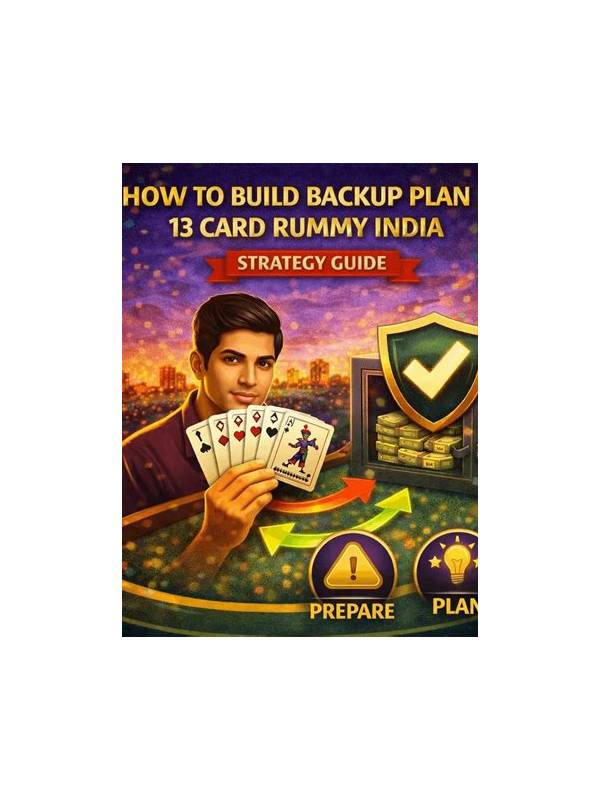
Rummy Practice Without Cards: Use Verbal Hand Walkthroughs

You can practice rummy thinking without opening a live table. A verbal walkthrough asks you to describe a hand, its groups, and its next decision in ordinary language. This develops clarity and can expose gaps in your understanding before they become costly mistakes.
If speaking aloud is inconvenient, write the walkthrough as if you were explaining it to a new player. Clear writing exposes the same gaps and leaves a reusable record for later comparison. Keep examples generic and remove any identifying account details. A short written explanation is enough; the exercise is about reasoning, not producing polished lessons.
Use a random hand from an old, private practice record or deal cards from a standard deck according to the variant you know. Do not use an active account or reveal another player’s information. Set a short timer, then describe the hand in four parts: confirmed groups, unfinished groups, loose cards, and the main uncertainty.
For each unfinished group, name the cards that could improve it. Avoid claiming that every theoretically possible card is equally useful. Mark a completion as wide, narrow, or uncertain based on your current knowledge. If you are unsure about a rule, say so and put it on a separate “verify” list rather than inventing an answer.
Now give a one-minute decision explanation. State what you would draw if the relevant options were available, what you would discard, and why. Include a backup plan. The explanation should describe priorities, not promise a result. “I would preserve the required sequence and release the isolated high card” is clearer than “I would play safely.”
Listen for hidden assumptions. Did you count a card in two groups? Did you assume a card was available without evidence? Did you confuse a legal possibility with a likely improvement? Pause whenever your explanation uses words such as “obviously,” “always,” or “never,” and replace them with a condition.
Finish by changing one card in the imaginary hand. Explain how that change affects your plan. This tests whether your method can adapt instead of memorizing a single answer. You can repeat the exercise with a different change, but keep the session short enough to remain focused.
Write down the one question the walkthrough exposed. Later, verify it using the rules for your chosen format. Verbal practice is valuable because it turns intuition into language, and language can be checked, corrected, and improved. Repeat the drill on another day to see whether the explanation becomes simpler.
Related Post
Rummy Comparison: Short Sessions and Long Practice Blocks
Compare practice formats to choose a session length that improves learning and protects focus. [...]
Rummy Safety: Keep Practice Stakes and Paid Stakes Distinct
Separating practice play from paid play helps you test ideas without confusing experimentation with financial [...]