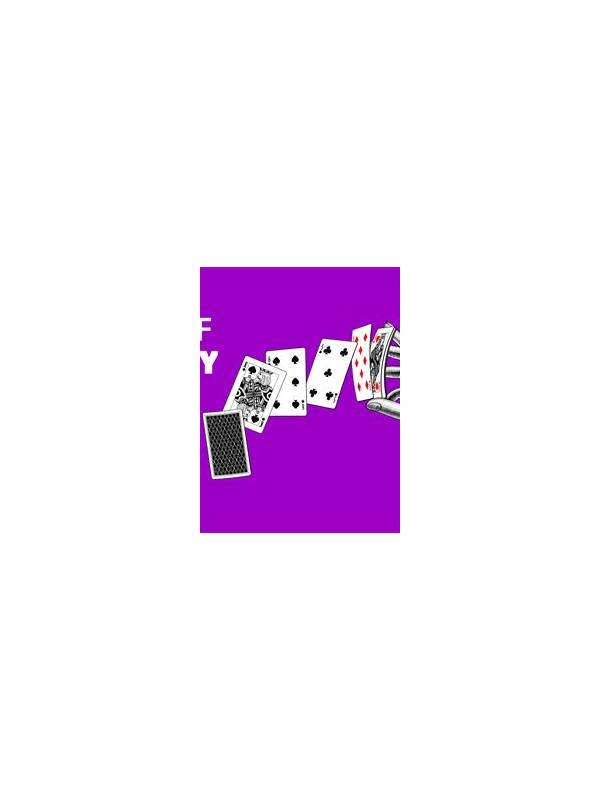
Rummy Guide: Read the Discard Pile as a Sequence of Clues
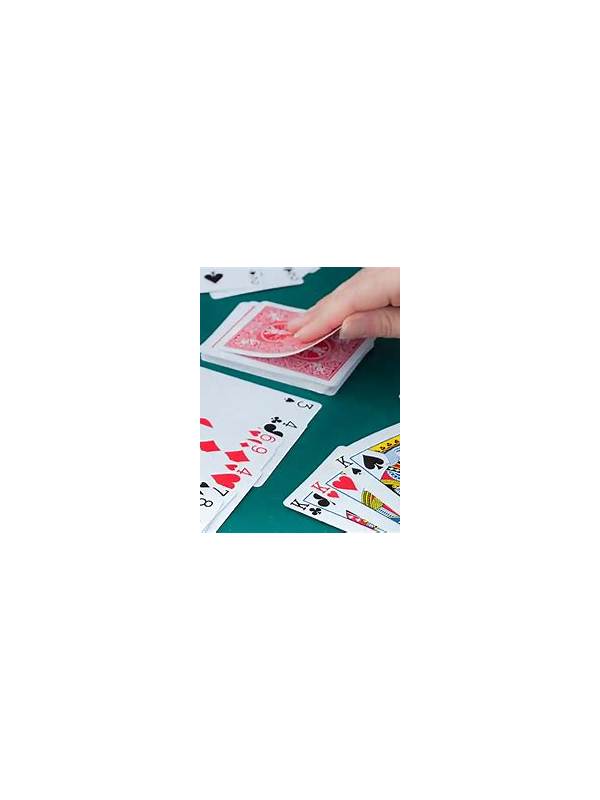
The discard pile is not a promise of what another player holds, but it is a record of decisions. Reading it well means noticing repeated ranks, suits that disappear, and cards that were rejected soon after appearing. These clues can improve your choices without pretending that you know an opponent’s hand.
Begin with the newest cards. A recent discard is usually more informative than an old one because it reflects a current decision. Ask what kind of structure the card could have supported and why it may have been released. A high card discarded quickly may suggest that its owner is reducing risk, while a middle card may have been unwanted because it did not connect with the rest of a hand.
Next, group the pile by rank and suit. If several cards from one suit have been discarded, that suit may be less contested, though the evidence is never complete. If cards around one rank appear repeatedly, treat that rank as less attractive for a set. Do not turn these observations into certainty; use them to compare two otherwise similar draws.
Timing matters too. A card that was visible for several turns before being taken can tell you that someone found it useful, but it does not tell you which group it joined. When a useful-looking card vanishes, review your own alternatives instead of assuming you must copy the move.
The discard pile also helps with defensive choices. Before releasing a card, check whether it completes a common connection with several cards already shown. If so, another player may be waiting for it. This is not a reason to keep every potentially useful card. It is a reason to compare the danger of release with the cost of holding it.
Finally, keep a small mental summary: contested ranks, quiet suits, and cards that have become less likely to matter. Refresh it after each turn. A discard pile is most valuable when it changes your next decision, not when it becomes a complicated story you cannot act on. Keep the summary simple enough to use during play. You do not need to remember every card or construct a perfect opponent model. Three observations that change your discard are better than a detailed theory that arrives too late. The pile supplies context; your hand and the rules still supply the decision. If a clue cannot change your next action, let it go and return to the hand.
Related Post
Rummy Practice: Compare Decisions With a Counterfactual Draw
Counterfactual draw practice helps rummy players test whether a decision was robust across more than [...]
Rummy Comparison: Visual Notes Versus Written Notes
Visual layouts reveal card relationships quickly, while written notes are better for tracking habits across [...]