Rummy Rule Exceptions: How to Check Before Relying on Memory
Familiarity is helpful until it hides a rule difference. Rummy formats can change the number of cards, scoring, joker treatment, declaration test, or action order. A player who relies on a remembered habit may make a technically invalid move while believing the hand is complete. A short exception check prevents that avoidable problem.
Before play, identify the rules most likely to affect decisions. Ask how many sequences are required, whether one must be pure, how jokers are defined, and what happens after an invalid declaration. Confirm whether the open pile can be taken in the same way and whether a particular format uses a special scoring limit. Use the service’s official rules where available and check the date of the information.
During play, pause when a situation falls outside your memory. Do not fill the gap with confidence. If the table permits, consult the rules or ask for clarification before committing an important card. In an automated game, read the displayed explanation and avoid repeating the action until you understand the result.
Keep an exception list for practice. It should contain only rules that have caused confusion or differ from your usual format. Review it before the next session, then remove items that no longer need attention. Too much reference material can be as distracting as too little.
Rule checks are part of strategy because legality changes the value of every group. A set, sequence, or joker placement is useful only within the format that governs it. Clear knowledge does not remove chance, but it ensures that your choices are evaluated under the right game rather than an imagined one. When a rule source is unclear, treat the uncertainty as a reason to choose a low-risk practice table or pause the session, not as a reason to guess in a high-stakes setting. Save the exact question and resolve it before relying on the answer again. Rules literacy grows through small corrections, and an updated checklist is more reliable than confidence based on familiarity. Avoid learning exceptions from an isolated comment or an old screenshot. Rules can be updated, and informal explanations may omit an important condition. A current, authoritative explanation is worth the small amount of time it takes to find. Keep a note of the source date when the distinction matters. A correct rule can still be applied at the wrong time if its condition is overlooked. Read examples carefully and note exceptions in plain language. Then test the understanding in a no-stakes setting before allowing it to guide an important decision.
Related Post
Rummy How-To: Review the Last Five Decisions Without Blame
A short post-hand review can identify useful patterns without turning a single result into a [...]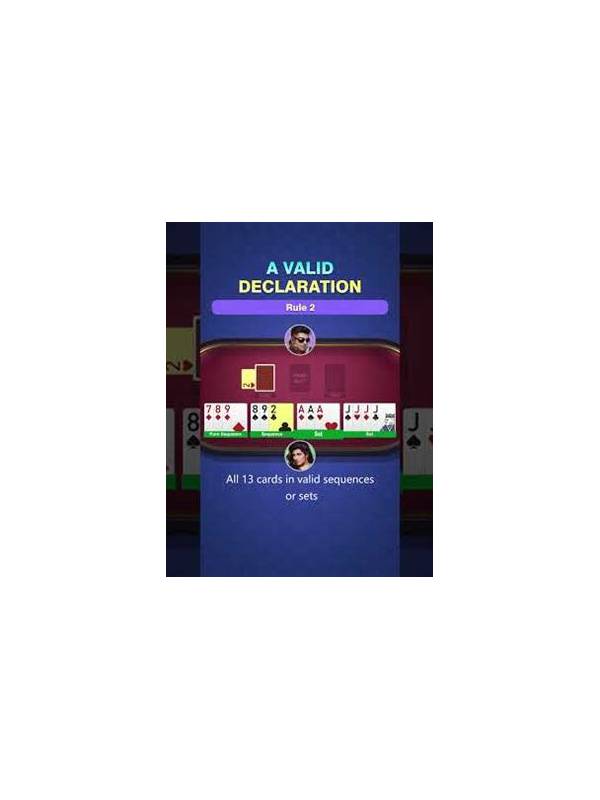
Rummy FAQ: What Makes a Declaration Valid?
A pre-declaration checklist explains the common structural conditions behind a valid rummy declaration. [...]