Rummy Safety: Check a Session Receipt Before Closing
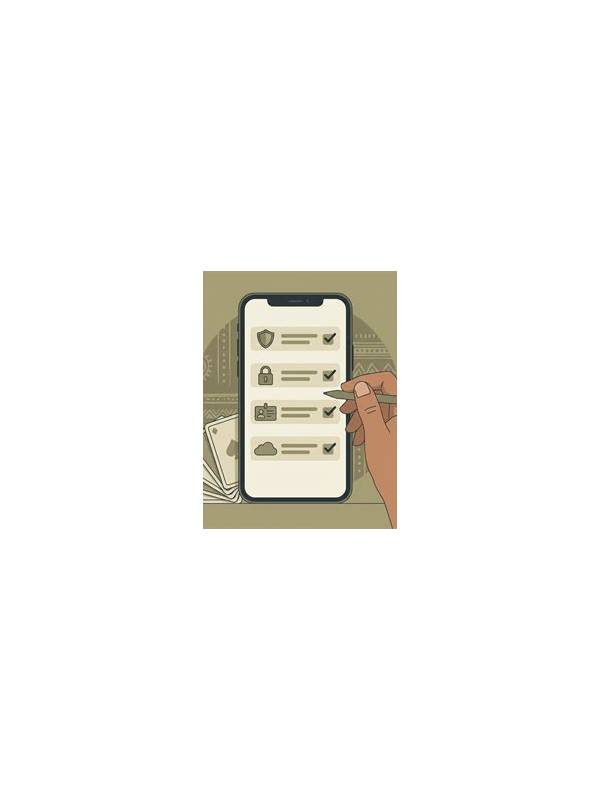
Closing a rummy session is a good time for one calm account check. The purpose is to confirm that the session ended as expected, not to replay every result or search for a reason to continue. A short receipt routine can protect both your records and your boundaries.
Begin by confirming the table or match has actually ended. Check the result screen, the stated entry amount, and the final balance or points shown by the service. Screens can load slowly, so wait for the status to settle before interpreting a missing value as an error. Do not press a join, replay, or deposit control while looking for confirmation.
Next compare the visible record with what you intended to do. Look for the date, format, and amount. If the service provides a transaction or game-history entry, save only the information needed for your own records. Avoid taking screenshots that expose passwords, one-time codes, payment details, or another player’s personal information.
If something appears inconsistent, stop at the observation stage. Write down the time, the table or reference number, and the exact message shown. Use the platform’s official support route found inside the authenticated app or its verified help pages. Do not follow urgent links in unsolicited messages, and never share a password or verification code to prove ownership.
The check should have a fixed endpoint. Once the result and balance are recorded, close the app and move to the activity you planned next. Reopening the account repeatedly can turn a practical check into anxious monitoring, especially after a disappointing result. If you notice an urge to recover a loss, add funds, or play another table immediately, treat that urge as a reason to pause rather than as evidence that the account needs more attention.
For shared devices, sign out when appropriate and remove any temporary account data the device should not retain. Review notifications later, when you can evaluate them calmly. If a household member can access the device, use the device’s own lock and account protections rather than relying on secrecy.
This routine is intentionally modest: confirm, record, report if necessary, and close. It does not replace the service’s terms, local requirements, or formal dispute process. It simply creates a consistent boundary around the end of a session. Keeping the check predictable makes it easier to identify genuine irregularities while protecting your time, privacy, and spending limits.
If support asks for evidence, provide only the minimum relevant record through the official channel.
Related Post
Rummy Safety: Recognize When a Session Is Affecting Your Mood
Mood changes are useful signals that it may be time to pause, reset, or end [...]
Rummy FAQ: What Is a Decision Reversal Point?
A decision reversal point is a preselected condition that tells you when a rummy plan [...]