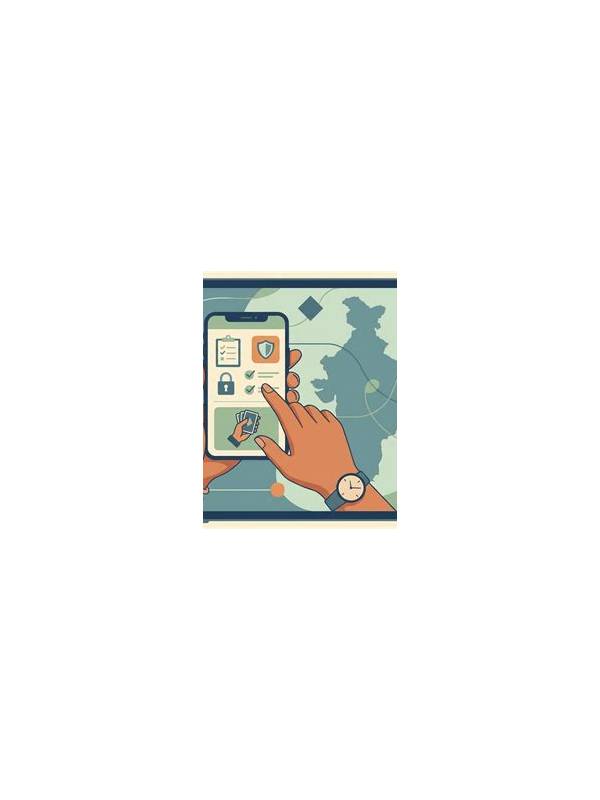
Rummy Safety: Check a Withdrawal or Refund Message Carefully
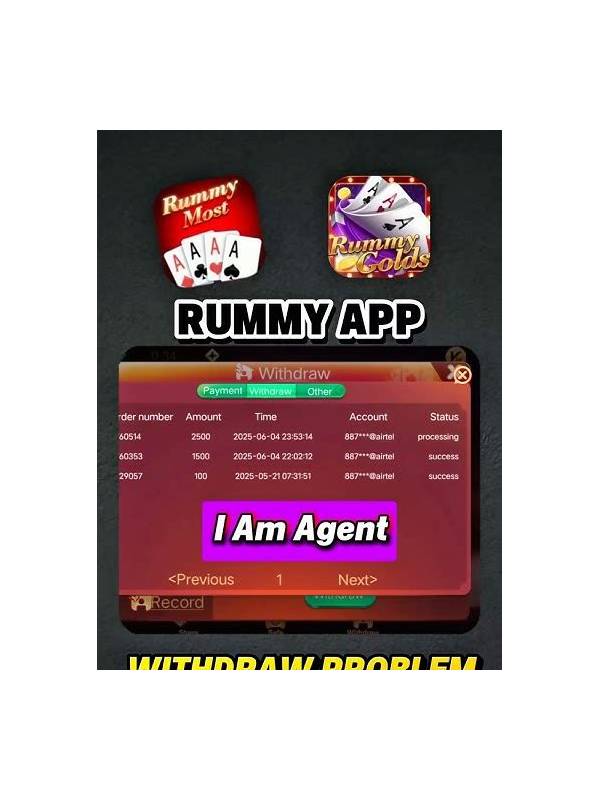
Messages about refunds, withdrawals, or account verification often create urgency. A sender may claim that money is waiting, that a withdrawal failed, or that a fee must be paid before a balance can be released. These claims may be legitimate, but they are also common themes in phishing attempts. Pause before clicking a link, opening an attachment, or sharing information.
Read the message without acting on it. Check the sender address, spelling, and exact domain rather than relying on a familiar display name. Be cautious with shortened links, unusual attachments, and requests to move the conversation to a private chat. A genuine support team should be able to explain the issue through the service’s normal help area. Find that area independently by typing the known address or using the official app, not by following the message’s link.
Never pay an unexpected “release fee” to receive a refund, and never disclose a password, one-time code, card PIN, or full payment details in response to an unsolicited notice. If you are unsure, contact your bank or payment provider through its verified channel. Keep screenshots and transaction references for your records, but remove sensitive numbers before sharing them with anyone who does not need them.
If you already responded, stop the conversation and secure the account. Change the password from a trusted device, review active sessions, and notify the payment provider if financial information was exposed. Report the message through the platform’s abuse or support process. Do not let embarrassment create a second risk; quick, factual action is more useful than trying to negotiate with the sender.
A safe rule is simple: money-related messages can wait while you verify them independently. Legitimate support may be inconvenient, but it should not require secrecy, pressure, or bypassing ordinary security steps. Keep your own transaction record with the date, amount, method, and official reference number. Store it securely and never publish full screenshots in a public forum. If a message conflicts with that record, verify through the provider’s official channel rather than paying an intermediary. Different services have different timelines, so patience is safer than responding to pressure. When contacting support, describe the issue without sending more information than requested. Include the date and reference number, but mask account numbers and identity documents unless the verified process specifically requires them. Save the case number and expected response time. If someone contacts you privately after you report the issue, treat that as a separate unverified message. Official help should not depend on secrecy or a demand for immediate action.
Related Post
Rummy FAQ: How Does a Wildcard Change a Sequence Plan?
A wildcard adds flexibility, but using it well still requires checking pure-sequence and grouping requirements. [...]
Rummy FAQ: What Does a Flexible Meld Mean?
A flexible meld is a group with more than one realistic continuation, but flexibility should [...]