Rummy Safety: Keep Entertainment Funds Separate
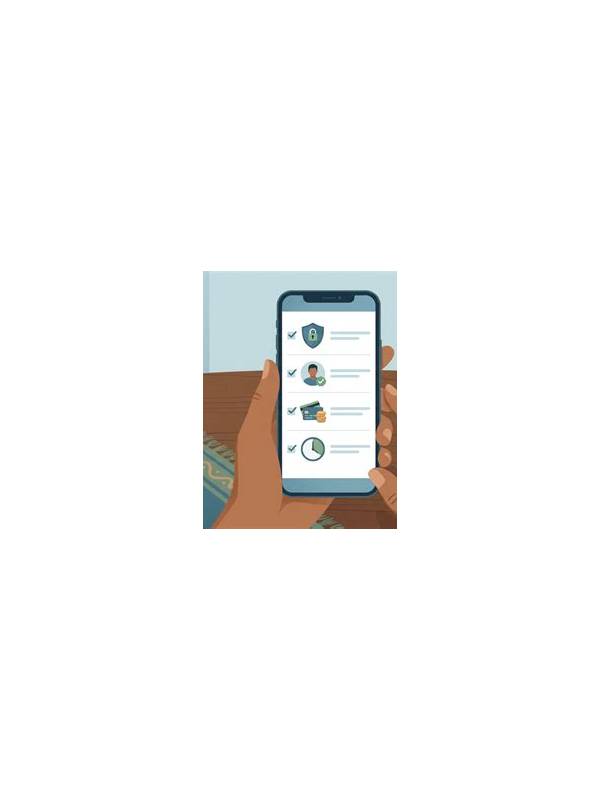
If a rummy platform involves money, a clear boundary between entertainment funds and essential finances is an important safety practice. The boundary should be decided before a session, while your judgment is calm. It should never include rent, food, bills, emergency savings, borrowed money, or funds needed by someone else.
Set a period budget and a session budget independently. A period budget describes the maximum amount you are willing to spend over a week or month. A session budget describes the amount available for one sitting. The smaller session limit should end the session when reached, even if you feel close to recovering a loss. Do not treat an unused budget as a reason to play longer.
Use platform controls where available, such as deposit limits, cooling-off tools, or account breaks. Read the terms for how those controls work and when they take effect. Keep a private record of deposits and withdrawals using only the minimum information needed for your own review. Never share account credentials or payment details in a chat, screenshot, or informal support conversation.
Watch for boundary warnings: moving money from daily expenses, increasing a limit after a loss, borrowing to continue, hiding activity, or feeling pressure to win back what was spent. Any one of these is a reason to stop and seek help from a trusted person or appropriate local support service. A break is not a failed strategy; it is a protective action.
Money limits cannot make an uncertain game predictable, and no strategy guarantees a return. Their purpose is to keep entertainment from affecting essential obligations. If you cannot keep the boundary, choose free practice or step away entirely until the situation is stable. A safe session is one that ends within the limit you selected before play.
Tell yourself the limit in concrete terms before joining a table. Decide what action ends the session, where the boundary is recorded, and how long the cooling-off period will last. Avoid changing it while emotionally activated. If the platform does not offer a control you can trust, use free play or do not participate. Financial safety is compatible with enjoying the rules and strategy, but it requires accepting that entertainment is optional and losses are not a debt that must be recovered.
If spending feels difficult to control, involve a trusted person and use available account restrictions or professional support. Do not conceal the problem by opening another account or moving funds between wallets. Free tutorials, physical-card practice, and strategy journaling can preserve the learning goal while removing financial exposure.
Related Post
Rummy Safety: A Simple Checklist for Account Recovery Messages
Use a calm verification routine before responding to any message about a rummy account. [...]
Rummy Safety: Use a Device Lock Before a Gaming Session
A few privacy checks before playing can reduce accidental access to a rummy account on [...]