Rummy Safety: Keep Practice Stakes and Paid Stakes Distinct
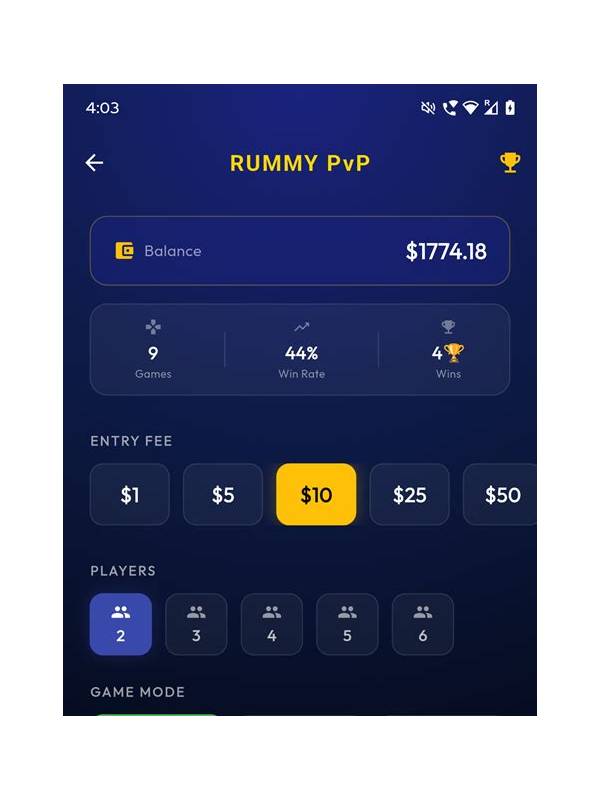
Practice and paid rummy sessions serve different purposes. Practice is a place to test a discard routine, learn a format, or review a mistake. Paid play adds financial consequences, so decisions and boundaries should be treated more carefully.
Before joining a paid table, confirm the entry amount, scoring method, cancellation terms, and any service fees. Do not assume that a familiar interface uses familiar rules. If the information is unclear, use a practice mode or leave until the terms are understandable.
Keep a separate budget for paid play. It should be an amount you can lose without affecting essential expenses. Never move money into the budget during a frustrating session, and do not borrow to extend it. A practice success does not guarantee a paid result because opponents, pressure, and variance may differ.
Use practice sessions to test process, not to build confidence that you can recover losses. You might measure whether you check the discard pile, honor expiration points, or stop at your preset limit. These are controllable behaviors. Winning streaks are not proof that a paid table is safe.
If the financial side starts dominating your attention, pause. A game should not make rent, food, debt, or personal safety depend on one more hand. Contact official support through verified channels for account or payment questions, and avoid sharing private information with strangers who promise help.
Clear separation protects both learning and finances. Practice can remain experimental, while paid play remains limited, informed, and optional.
Keep a short record of the rules and limits accepted before a paid session. That record makes it easier to notice when a table changes terms or when a promotion creates pressure to continue. Treat bonuses and rewards as conditions to understand, not as money that must be earned back. If you cannot explain the total possible cost, stop and seek clarification through the official channel. Responsible play includes the right to decline an offer, end a session, and return only when the decision feels ordinary rather than urgent. The boundary should be easy to follow when you are tired. Write it down, use platform limits where available, and tell a trusted person only what is comfortable and necessary. No result requires you to override it.
Related Post
Rummy Comparison: Fast Decisions or Full Hand Reviews?
Compare quick decision rules with complete hand reviews and learn when each method is most [...]
Rummy How-To: Audit a Game App After an Update
A short post-update audit checks permissions, rules displays, and account settings before you return to [...]