Rummy Safety: Keep a Pause Rule for Emotional Decisions
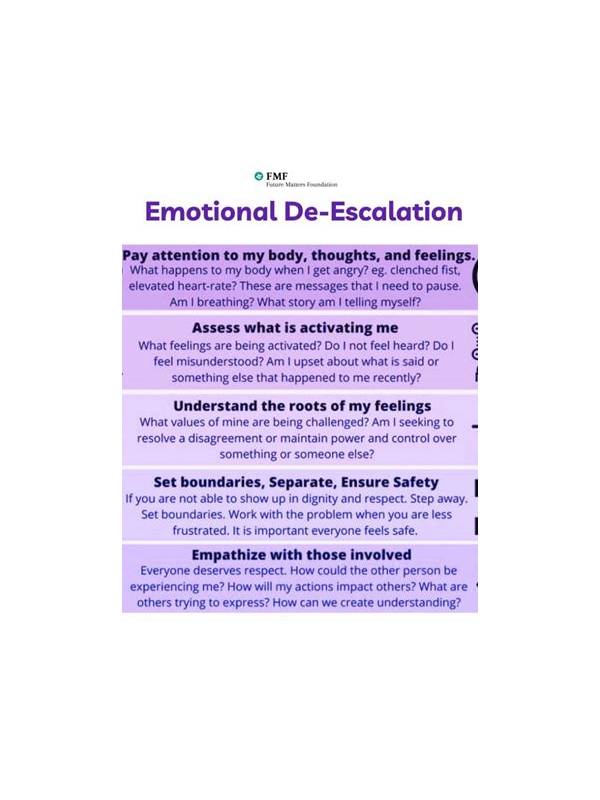
Rummy can produce frustration after a missed draw, excitement after a strong hand, or pressure after a losing streak. Emotion is normal, but it can change how quickly you act and how much risk seems acceptable. A pause rule gives you a preselected response before the moment becomes difficult.
Choose a few observable triggers. Examples include wanting to increase stakes to recover a loss, rereading the same screen without understanding it, making several taps before checking the hand, or feeling unable to stop after the planned end time. Keep the list short. A trigger should describe behavior or a clear feeling, not a judgment such as “when I play badly.”
Pair each trigger with an action. The action might be a five-minute break, leaving the table, switching to a no-cost practice mode, or ending the session entirely. Decide this in advance and write it somewhere private and easy to see. The purpose is not to punish yourself. It is to remove a difficult decision from a moment when your attention is already compromised.
During the pause, change context. Stand up, drink water, and move away from the screen. Do not use the break to study every missed card or browse promotions. Those activities can keep the emotional loop active. If you return, review the format, limits, and hand structure once, then decide whether continuing still fits the original plan.
A pause rule should include a non-negotiable boundary for spending. Never treat additional money as a way to repair an emotional result. If a session includes paid play, use only a limit you can afford to lose and stop when that limit is reached. Local laws and service rules may also impose age, location, or access conditions; follow them.
Review the rule later when calm. Was the trigger clear? Was the action practical? Did you follow it early enough? Adjust the wording for the next session, but do not negotiate with it while upset. A pause rule is valuable because it turns self-control from a hope into a prepared action.
Share the rule only with someone you trust if outside accountability would help, and keep private account information out of the conversation. Accountability should support a boundary, not become another source of pressure. If emotional decisions keep interfering with daily life or spending, consider taking a longer break and seeking appropriate support.
The rule can be as simple as “if I want to chase a result, I stop.” Clear language is easier to follow than a complicated scoring system. A pause is successful even when you later decide not to return that day.
Related Post
Rummy FAQ: Does a Matched Pair Need the Same Future?
Two matching cards can be valuable for different reasons, so a pair should be assessed [...]
Rummy Safety: Check the Recipient Before Sharing a Screenshot
Protect your privacy by verifying who will receive a rummy screenshot and what it reveals. [...]