Rummy Safety: Keep a Private Record of Session Limits
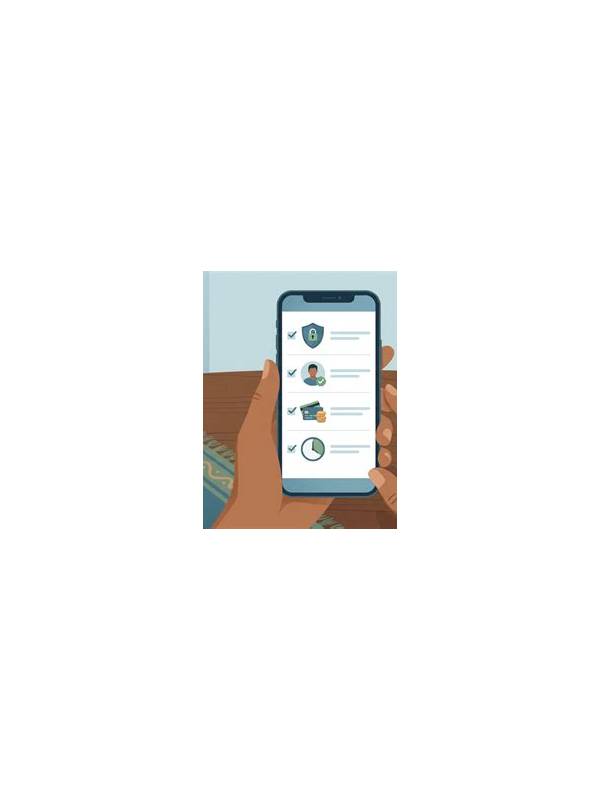
A simple private record can make online rummy safer and more intentional. It does not need to contain every hand or expose personal information. The purpose is to record the boundaries you chose before play and compare them with what actually happened.
Before starting, write down a planned end time, a maximum number of hands, and any spending limit that applies. If you play without money, time and attention may still be the important limits. Keep the note somewhere private, such as a personal notebook or a protected device note. Do not store payment details or passwords in the record.
During the session, record only meaningful events. Note when you reached the planned end time, when you continued after a loss, or when a decision began to feel urgent. You can also mark whether you took a planned break. Short entries are enough; the record should support awareness rather than become another task that keeps you at the table.
After stopping, compare the plan with the outcome without judging yourself. If you ended on time, identify what made that easy. If you continued, ask whether the cause was a forgotten limit, a social interruption, or an emotional desire to recover a result. The answer suggests a practical change, such as setting a device reminder or deciding the stop point before opening the app.
Protect the record itself. Use a lock on the device, avoid sharing screenshots, and do not include sensitive account identifiers. If another person has access to the device, choose a private location or a paper note kept securely. Safety includes controlling who can learn about your play patterns and financial boundaries.
Review the record occasionally, not after every small fluctuation. Look for repeated patterns: sessions that run late, breaks that never happen, or limits that change under pressure. If the pattern concerns you, reduce the session scope or stop using the service. A record is useful because it turns a vague feeling into observable information and supports a calmer decision about whether to play.
The system should remain voluntary and proportionate. If keeping a record feels stressful, simplify it to one planned stop time. The goal is not perfect control; it is a private reminder that your time, attention, and money belong to you.
You can review the note weekly and discard old entries securely when they are no longer useful. Keeping less information reduces privacy risk while preserving the main lesson. If the record repeatedly shows that planned limits are difficult to follow, treat that as a reason to take a longer break rather than as a challenge to set stricter limits.
Related Post
Comparing Rummy Plans by Missing Cards
Compare unfinished rummy arrangements by the quality and number of cards they still need. [...]
Rummy How-To: Create a Fallback Discard Order
A fallback discard order helps you act calmly when the preferred discard is no longer [...]