Rummy Safety: Protect Your Account During Shared-Device Play
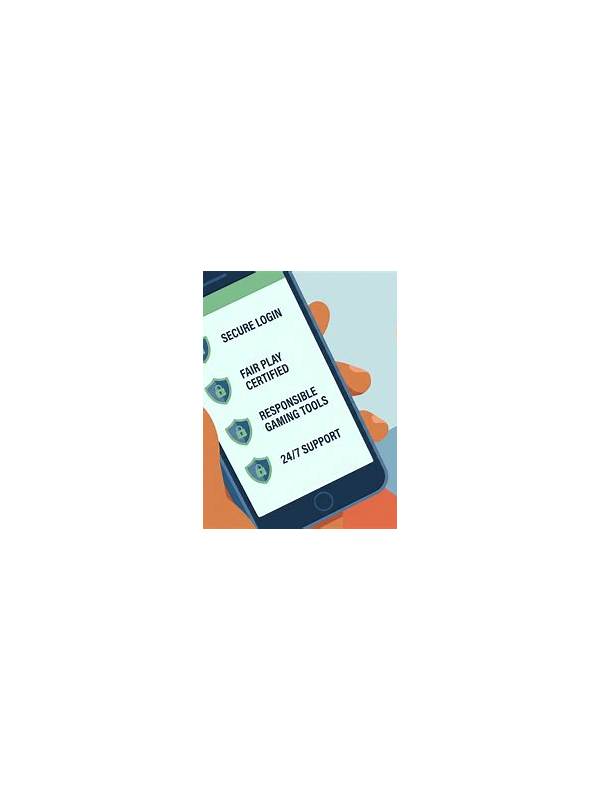
Playing rummy on a family tablet, a borrowed phone, or a shared computer can be convenient. It can also expose your account details, payment information, messages, and session history to the next person who uses the device. Account safety is part of responsible online play, especially when the device is not exclusively yours.
Start with a clean session
Before signing in, check whether another user is already logged into the app or browser. Do not assume that the visible profile belongs to you. Sign out of the previous account through the official menu, then open a fresh session. If the device is public or borrowed, private browsing can reduce saved history, but it does not replace logging out. Never enter personal details into a pop-up or page whose address you cannot verify.
Keep credentials private
Avoid saving passwords, one-time codes, or payment details on a shared device. Turn off autofill for the session if the operating system offers that choice. Do not send a login code to someone helping you troubleshoot; enter it yourself through the official screen. A person who asks for your password, recovery code, or full payment credentials is not following a normal support process.
Review permissions
An app may request access to notifications, contacts, storage, a camera, or a microphone. Consider whether each permission is necessary. A game should not need access to unrelated private content merely because it is installed on a device. Use the operating system’s permission settings to deny access that is not required, and review permissions again after an update.
Check the account before leaving
At the end of a session, confirm that you are signed out and that the app no longer displays your profile. Close open browser tabs, remove downloaded screenshots containing sensitive information, and check that no payment page remains open. If the device belongs to someone else, do not rely on a remembered password being hidden; clear saved sign-in data through the browser or app settings.
What if you forgot to sign out?
Use the service’s official account-security page from a trusted device. Change the password if you believe the device is accessible to others, and sign out of other sessions if that feature exists. Review recent activity and contact official support through a verified channel if you notice an unfamiliar change. Do not click a security link supplied by an unsolicited message.
Shared-device play does not need to be stressful. A short routine—fresh login, limited permissions, private credentials, and a deliberate sign-out—keeps convenience from turning into a privacy problem.
Related Post

Rummy FAQ: What Is a Forced Discard?
A forced discard is a release made because the hand or rules leave very few [...]
Rummy Safety: Recognize Impersonation and Fake Support Messages
A few verification habits can help players avoid giving account details to impersonators. [...]