Rummy Safety: Recognize Emotional Spending Triggers
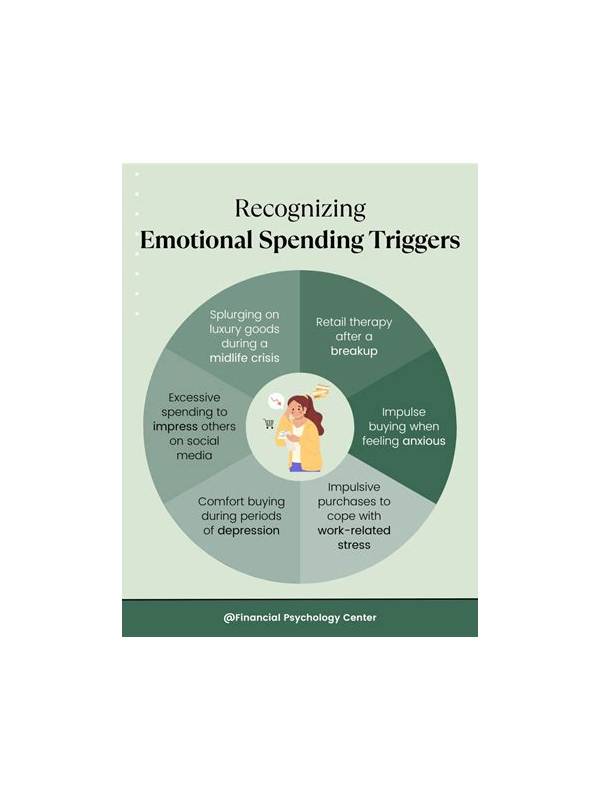
Spending decisions become less reliable when they are made under anger, disappointment, excitement, or pressure. A difficult rummy hand can create a desire to recover immediately, while a lucky result can create the impression that a larger commitment is harmless. Recognizing these emotional triggers early gives you a chance to pause before money changes hands.
Notice the language you use internally. “I must win this back,” “I cannot stop now,” and “the next table will fix it” are warning signs because they turn a choice into an obligation. Physical signs can appear too: rushed tapping, tense shoulders, difficulty reading rules, or checking the balance repeatedly. These signals do not predict a result; they suggest that it is time to stop making financial decisions.
Create a rule before the session begins. Decide a maximum amount and a stopping time, then treat both as boundaries rather than targets. Keep play money separate from essential expenses. Do not borrow, use credit intended for necessities, or sell possessions to continue. If a platform offers deposit, loss, time, or self-exclusion controls, review them calmly and use the official settings.
When a trigger appears, leave the table and change context. Put the device down, take a walk, drink water, or contact someone you trust. The break should be long enough for the urge to weaken; reopening the game immediately is not a meaningful pause. If stopping feels impossible, seek support from a local counseling or gambling-help service.
Responsible play is not a promise that emotion will never appear. It is a plan for what you will do when it does. Set limits while calm, respect them after an exciting or frustrating hand, and keep financial safety separate from the outcome of any game.
Friends can help by supporting the boundary rather than encouraging another attempt. Tell a trusted person what your stop rule is if that feels safe, and ask them to help you change activities when the trigger appears. Do not ask another player to lend money or make a financial decision for you. A pause, distance, and outside perspective are often more useful than another prediction. If you have already exceeded a limit, do not try to repair the feeling with another deposit or table. Close the game, secure the account, and review what boundary failed when you are calm. A slip is a signal to strengthen the plan, not evidence that you must continue. Professional support is appropriate when urges or financial harm are difficult to control alone.
Related Post
Rummy Safety: Handling an Unexpected Session Disconnection
Follow a careful recovery sequence when a rummy table disconnects unexpectedly. [...]
Rummy Card Bridges: When a Middle Card Has Extra Value
Middle cards can connect several possible sequences, but their value depends on context, timing, and [...]