Rummy Safety: How to Recognize a Suspicious Support Message
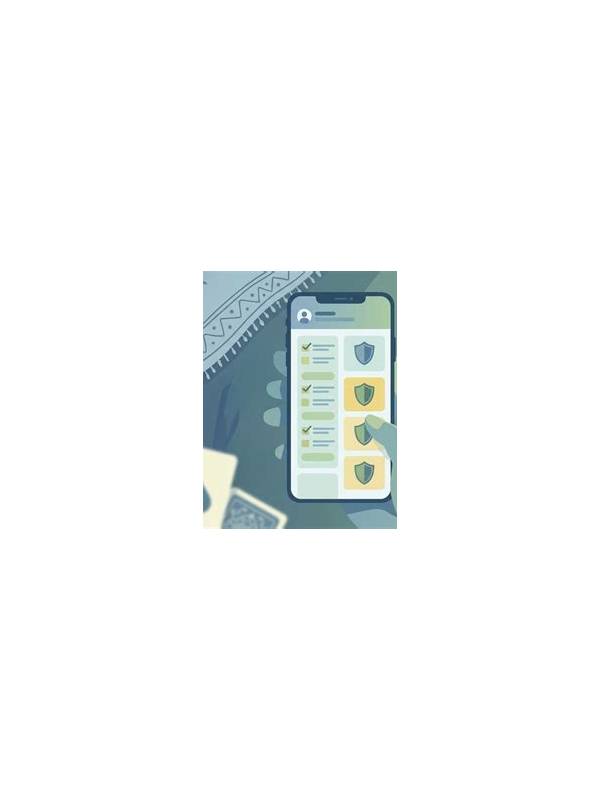
Support messages can be helpful, but an unexpected message should never be trusted merely because it uses a familiar logo or name. Before responding, treat the message as an unverified claim. This is particularly important when it asks for passwords, one-time codes, identity documents, or an urgent payment.
Look at the sender carefully. An address with extra characters, a misspelled domain, or a free mailbox may not belong to the service. In-app messages can also be copied, so check whether the conversation appears inside the official application and whether the same notice is listed in its help centre. Do not use the contact link supplied by a suspicious message until you have checked it independently.
Urgency is another warning sign. Phrases such as “account closes today” or “send a code immediately” are designed to make you skip normal checks. Real support may need information to investigate an issue, but it should not require your password or ask you to read out a login code. Never share a code that arrived on your phone with someone who contacted you first.
Avoid unfamiliar links and attachments. Instead, open the application or type the known website address yourself, then locate support from the normal menu. If you have already clicked, close the page without entering information, update your security settings from the official app, and monitor account activity. If you entered a password, change it promptly using a trusted route.
Keep evidence without forwarding the message to others. Save the sender, time, and wording, then report it through the service’s verified support channel. A calm pause protects your account better than a quick reply. When in doubt, assume the message is untrusted until an independent route confirms it. Remember that legitimate support does not need to win an argument with you. You can take time, ask for a ticket number through the official channel, and end the conversation. If a message becomes threatening or repeatedly returns, block it and report it to the relevant platform. Tell household members about the warning signs if they share a device or payment method.
Review account notifications from inside the service later, when you are calm. If no matching notice exists, that is useful evidence that the external message was not genuine. Good security behavior is mostly a series of small pauses before information leaves your control. When reporting a suspicious message, describe the behavior rather than engaging with the sender. This gives support useful evidence while limiting further contact.
Related Post
Rummy Comparison: Early Discard and Late Discard Priorities
Early and late turns call for different discard priorities because the value of flexibility changes. [...]
Rummy Tips: Separate Card Availability From Card Probability
Visible cards can describe availability, but they cannot justify certainty about the next rummy draw. [...]