Rummy Safety: Recognize When a Competitive Table Feels Unhealthy
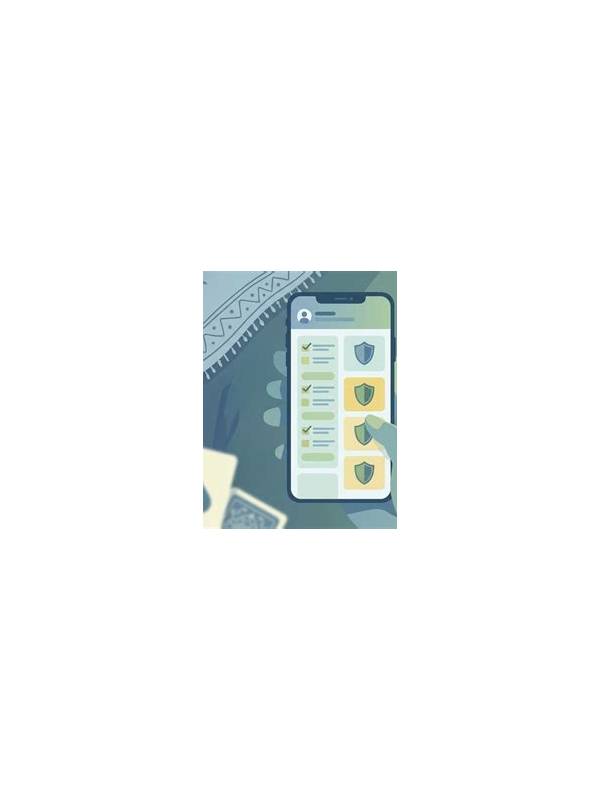
Competitive energy can make a rummy table exciting, but it should not make the experience unsafe or unpleasant. Notice how the table affects your behavior, not only whether you are winning. Repeated insults, pressure to spend, suspicious claims, or demands to continue are signs to pause and reconsider the setting.
Set boundaries before play. Decide what language you will accept, what information you will not share, and whether you are comfortable with paid entries or side agreements. A fair table should explain its rules clearly and allow you to leave without punishment or embarrassment.
If conflict starts, slow the interaction. Keep messages brief, avoid retaliatory comments, and save evidence of serious harassment through the platform’s normal reporting tools. Do not reveal private contact details to prove a point. If a dispute concerns a rule, consult the published rules or a neutral organizer rather than arguing from memory.
Watch for pressure around money. Someone promising that a loss can be recovered by raising the next entry, or suggesting that you borrow to continue, is not offering healthy competition. Use only a fixed amount you can comfortably lose, and stop when the boundary is reached. No table result justifies financial distress.
You can leave a table without winning the final argument. Mute, block, report, or log out when appropriate. A game is successful when it provides a fair challenge and a reasonable social experience. Protecting your time, privacy, and finances is part of playing well.
Related Post
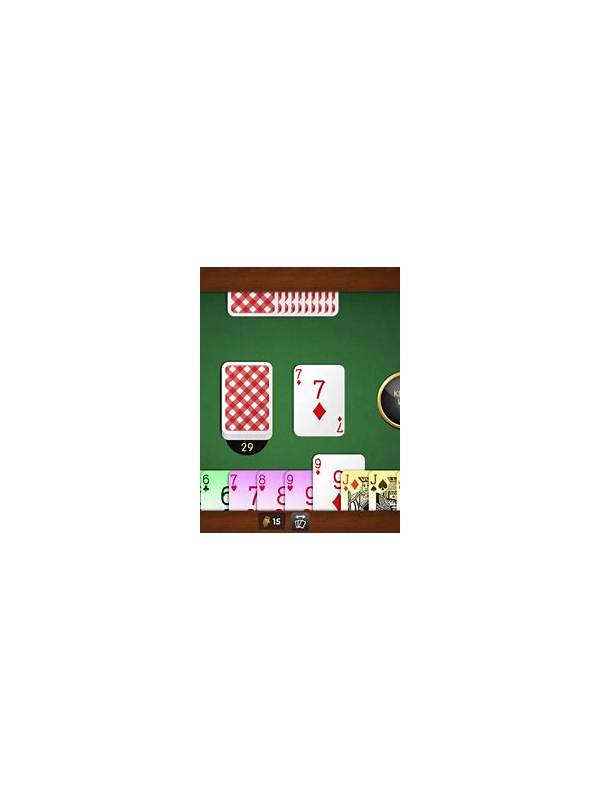
Rummy FAQ: How Can a Quiet Turn Still Help?
A neutral draw changes your information or options without immediately improving a complete meld. [...]
Rummy Guide: Build a Small Observation Window
A small observation window helps players notice meaningful changes without trying to remember the whole [...]