Rummy Safety: Separate Game Advice From Account Requests
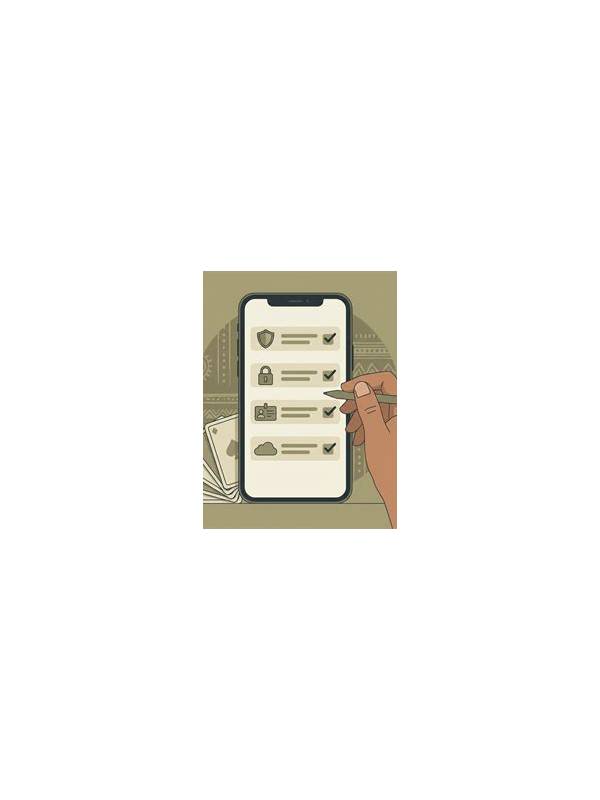
Players often contact support about a rule, a connection, or a result. Scammers can imitate that ordinary conversation and then ask for account access, payment details, or verification codes. Separating game advice from account requests is a useful safety habit.
Normal gameplay help usually concerns rules, table controls, scoring, or a visible error message. You can describe the issue without revealing a password, one-time code, full payment number, or identity document. Take a screenshot only after removing usernames, balances, transaction references, and other information that is not needed to explain the problem.
Be cautious when a message changes the subject from the game to urgent account action. Pressure to install remote-control software, move a conversation to an unverified channel, or “unlock” a reward through a transfer is a warning sign. Legitimate support should have a documented route inside the app or on the organization’s verified site. Follow that route independently rather than clicking a link supplied in an unexpected message.
Use separate questions for separate problems. Ask the help center about the rule first. If an account issue remains, open a new support request through the official account area. This makes the exchange easier to audit and reduces the chance that an attacker can use harmless game details to build trust.
Protect the account basics: a unique password, device lock, current software, and multi-factor protection when available. Review active sessions after using a shared device. If you suspect that you disclosed something sensitive, stop the conversation, change the credential through the official channel, and contact verified support. Do not wait for a stranger to tell you how to recover the account.
Good support communication is specific, calm, and limited to the facts needed to solve the problem. A game question should not require private credentials. Keeping that boundary protects both the session and the account behind it. Keeping that boundary protects both the session and the account behind it.
When in doubt, stop and verify the sender through a channel you open yourself. Do not use a phone number, web address, or attachment supplied only by the unexpected message. Official support may ask for a public ticket number or a description of the error, but it should not need your secret login information. Teaching this boundary to anyone who shares the device is worthwhile because one rushed response can affect every profile stored on it. This boundary keeps ordinary gameplay questions separate from private account recovery decisions.
Related Post

Rummy Guide: Build a Reliable Card-Sorting Routine
A consistent sorting routine makes connections, gaps, and penalty cards easier to see. [...]
Rummy Safety: Create a Quiet Environment for Better Decisions
Reducing interruptions and notification noise can protect attention during a focused rummy session. [...]