Rummy Safety: Separate Recreation Funds From Household Money
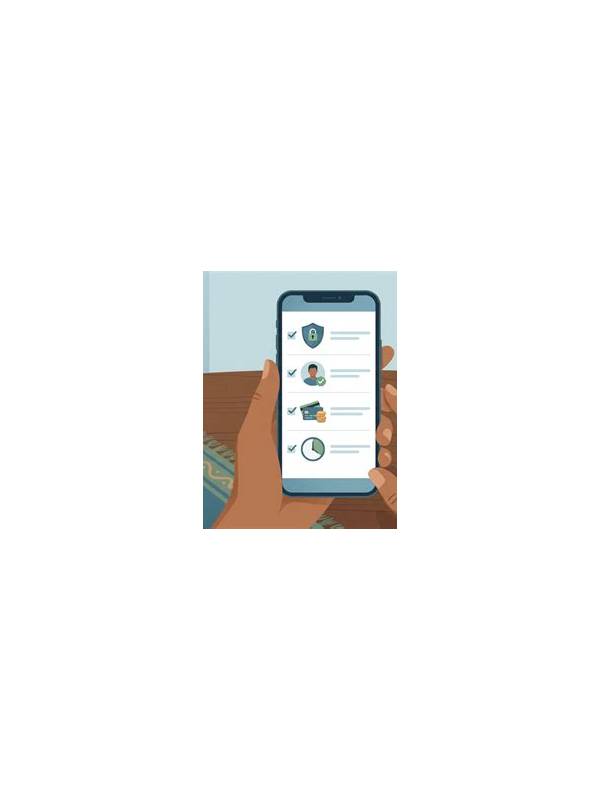
Any rummy activity involving money should be treated as optional entertainment, never as a way to cover essential expenses. A simple boundary between entertainment funds and household money makes decisions clearer before emotions or a losing session create pressure. The boundary should be practical, visible, and easy to follow.
Begin with essentials. Rent, food, utilities, debt payments, savings commitments, and emergency funds belong outside an entertainment budget. Do not borrow from them to continue a session, recover a loss, or qualify for a promotion. If separating the funds is difficult, that is useful information: paid play may not be appropriate at the moment.
Set a limit before opening a table. The limit should cover a defined period and be an amount you can lose without changing plans for necessities. Avoid using future income or expected winnings in the calculation. A limit is most effective when it is fixed before the first result, because outcomes can make a player feel either unusually confident or urgently determined to recover.
Keep time and money limits separate. A short session can still exceed a spending boundary, and a low-spend session can still consume more attention than planned. Write both limits down. When either one is reached, stop and review later. Do not raise the limit because the session is “almost turning around.” That phrase often describes emotion rather than evidence.
Read the platform’s rules for deposits, withdrawals, fees, age requirements, and location restrictions. Use official channels and protect account credentials. Never share passwords, one-time codes, or payment details with another player or an unverified support contact. If a payment screen is unclear, pause and confirm the terms before proceeding.
Watch for warning signs: hiding spending, using essential money, chasing losses, feeling unable to stop, or playing to change your mood. A pause, account limit, self-exclusion option, or conversation with a trusted person can be appropriate. If control feels difficult, seek local professional help. Responsible play is not a promise that every session will be calm; it is a plan that keeps optional entertainment from becoming a financial obligation.
Consider using a separate payment method with a deliberately small balance if you choose to participate where permitted. Turn off promotional reminders that encourage unplanned deposits, and review statements privately so small transactions do not disappear into daily spending. These barriers make the boundary easier to maintain when attention is low.
If a limit is reached, close the session rather than negotiating with yourself in the moment. A later review can decide whether the activity fits your budget; an active session is a poor place to rewrite the boundary.
Related Post

Rummy Comparison: Grouping Order Versus Draw Order
Sorting a hand by possible groups and reviewing it by draw history reveal different information [...]
Rummy App Privacy Settings Worth Checking First
Reviewing permissions, notifications, and account controls can reduce avoidable privacy risks in a rummy app. [...]