Rummy Safety: Set a Cooling-Off Rule Before Play
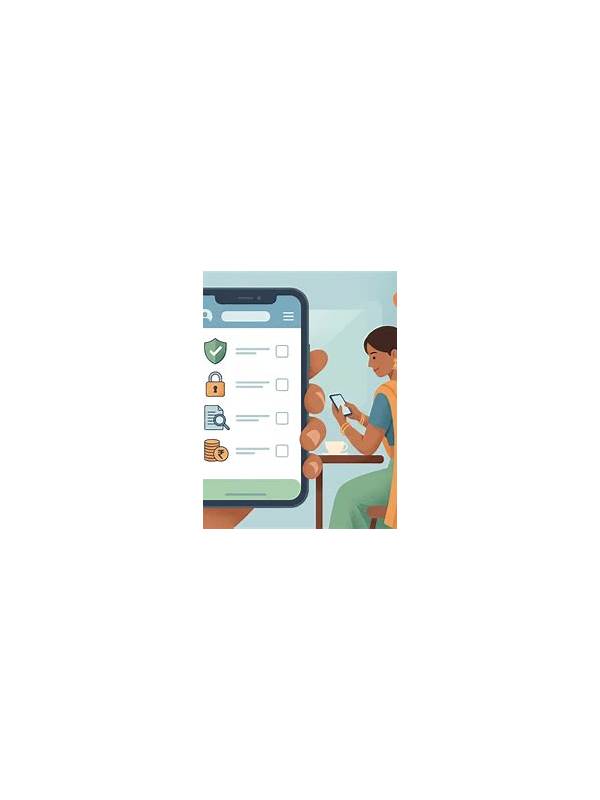
A cooling-off rule is a decision made before a session about when to stop, step away, or return later. It is useful because emotions are harder to manage once a game feels frustrating or urgent. The rule should be simple, visible, and based on your time, attention, and spending limits rather than on trying to recover a result.
Start with a clear trigger. You might pause after a fixed number of games, when you notice repeated rushed decisions, or when you feel the urge to continue solely to change an earlier outcome. If money is involved, use a firm budget and a no-chasing rule: reaching the limit ends the session. Do not treat a new deposit or a larger stake as a cooling-off plan.
Choose a pause length in advance. Ten minutes may be enough for a short reset, while a longer break can be more appropriate after a stressful session. During the break, leave the table or close the app, drink water, and do something unrelated to the result. Avoid reviewing hands immediately if reviewing only makes you more determined to continue. A pause is for regaining perspective, not for designing a comeback.
Make the rule practical on your device. Turn off nonessential notifications, use available play-time or spending controls, and avoid keeping payment details readily accessible if that makes impulsive decisions easier. Only use features provided by the service you trust, and read their terms before relying on them. Never share account credentials or personal financial information with another player who offers to manage a pause or a balance.
After the break, ask whether the original reason for playing is still present. Can you describe the next session’s time and spending limits in one sentence? Do you feel able to accept a loss without extending the session? If the answer is no, stop for the day. There is no strategic benefit in making a decision while tired, angry, or focused on undoing a previous result.
A cooling-off rule is not a judgment about skill. Even an experienced player can lose concentration or become attached to a target. The rule simply creates distance between an impulse and an action. Keep a short note of what triggered the pause, then adjust future limits if the same trigger returns. Responsible play means preserving control and wellbeing; a game should never require you to ignore either one.
Tell yourself the rule in direct language before you begin: “If I reach my limit or start chasing a result, I close the table.” Avoid vague promises such as “I will be careful,” because they are difficult to apply under pressure. If taking a break does not restore control, end the session and return another day. Support from a trusted person or a local help service can also be appropriate when play is becoming difficult to manage.
Related Post
Rummy Bonus Expiry Dates: A Checklist for Reading Promotions
Rummy Bonus Expiry Dates: A Checklist for Reading Promotions offers practical guidance for clearer, safer, [...]
Rummy Table Signals: Read Discards Without Overconfidence
Learn how to use visible discards as clues while keeping your decisions grounded in your [...]