Rummy Safety: Set a Clear Deposit and Loss Boundary
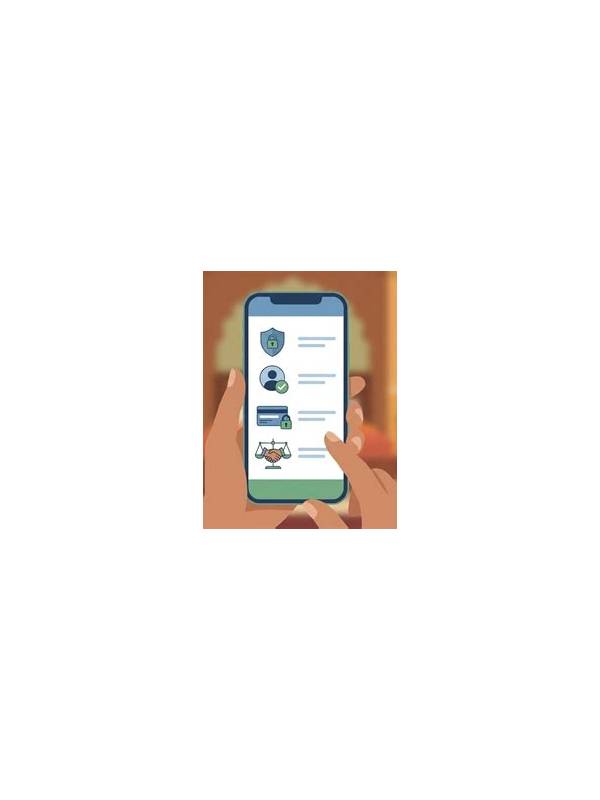
If a rummy platform involves money, decide your spending boundaries before starting. A boundary is most useful when it covers both the amount you may deposit and the amount you are prepared to lose during a defined period. The purpose is to protect ordinary finances from decisions made under excitement or frustration.
Use money that is genuinely discretionary. Do not use funds needed for rent, food, bills, debt payments, emergency savings, or another person’s necessities. Set a limit that remains affordable even if the entire amount disappears. If the platform provides account controls for deposits, stakes, or time, activate them before play rather than waiting for a difficult moment.
Make the boundary specific. “I will be careful” is hard to measure. “I will not add funds after this limit during the week” is clearer. Include a no-chasing rule: a loss does not create permission for an extra deposit, a larger stake, or an extended session. Recovery is not guaranteed, and trying to force it can turn a limited expense into a much larger one.
Track transactions outside the game interface. Save confirmations and review the account or payment method for unfamiliar activity. Never give another person your password, payment PIN, or one-time code, even if they claim to be support. If a payment dispute arises, use the provider’s official support route and keep records of dates and reference details without sharing sensitive authentication information.
Watch for behavior changes such as hiding spending, borrowing to continue, feeling unable to stop, or neglecting obligations. These are reasons to pause, use available blocking tools, and seek confidential help from a qualified local service or trusted person. A safety boundary should be treated as a protective decision, not a challenge to overcome.
Responsible play begins before the first table. A modest budget, an explicit loss limit, and a firm no-chasing rule create a practical barrier between entertainment and financial pressure. If the boundary no longer feels easy to follow, stop and reassess before playing again.
Make the boundary visible to yourself before opening the table, perhaps in a private budget note. Do not rely on a promotion, a near win, or a confident mood to revise it. A limit works because it is decided in advance and remains valid when your judgment is most tempted to move it.
Related Post
Rummy Safety: Create a Simple Session Stop Checklist
A written stop checklist makes it easier to end a session when time, money, or [...]
Rummy Tips: Notice When a Pair Is Consuming Too Much Space
A pair can be useful, but keeping it too long may block a stronger sequence [...]