Rummy Safety: Take a Break After a Near Miss
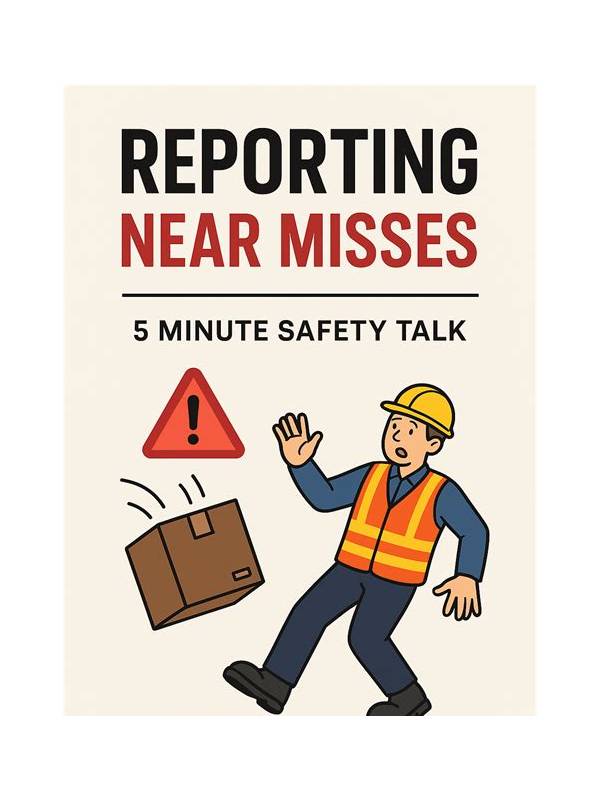
A near miss can feel more powerful than an ordinary loss. You may have been one card away from a complete hand, or you may have discarded a card just before it became useful. That feeling can create an urge to play another round immediately and recover the result. A deliberate break protects your judgment.
Start by naming what happened without exaggeration. “The needed connector did not arrive” is more useful than “I was robbed of a win.” Rummy contains uncertainty, and a close result does not prove that the next round will compensate for it. Separating the event from the story reduces the pressure to chase an outcome.
Use a fixed pause rule. Step away for a few minutes, drink water, stretch, or look away from the screen. Do not spend the pause searching for another table or increasing a stake. The point is to let the emotional reaction settle before deciding whether you even want to continue. If you are still replaying the hand angrily, extend the break.
Check three signals before returning. Is your spending limit still clear? Can you describe your intended session length? Are you willing to stop after a normal result rather than waiting for a particular win? If any answer is no, ending the session is the safer choice. Entertainment should not require you to prove anything to yourself.
If you resume, change the objective. Focus on making orderly decisions, not on correcting the previous hand. Keep the same limits and table type you chose earlier. Avoid raising risk because the near miss feels like evidence that success is due. Random outcomes do not carry a debt from one round to the next.
A short note can help later: record the trigger, the feeling, and the action you took. Over time, this reveals whether near misses regularly extend your sessions or affect your budget. If they do, use a stronger boundary such as a session lockout or a longer break. Recognizing the pattern early is a practical form of responsible play.
If a break repeatedly fails to reset the urge to continue, make the boundary automatic. End the session when the limit is reached, remove access for the rest of the day, or choose a non-playing activity before returning. The goal is not to punish yourself for caring about the result. It is to give your future self fewer decisions to make while emotions are still high.
Related Post
Rummy How-To: Rehearse a Declaration Without Submitting It
A private rehearsal lets you test group legality and card usage before committing to a [...]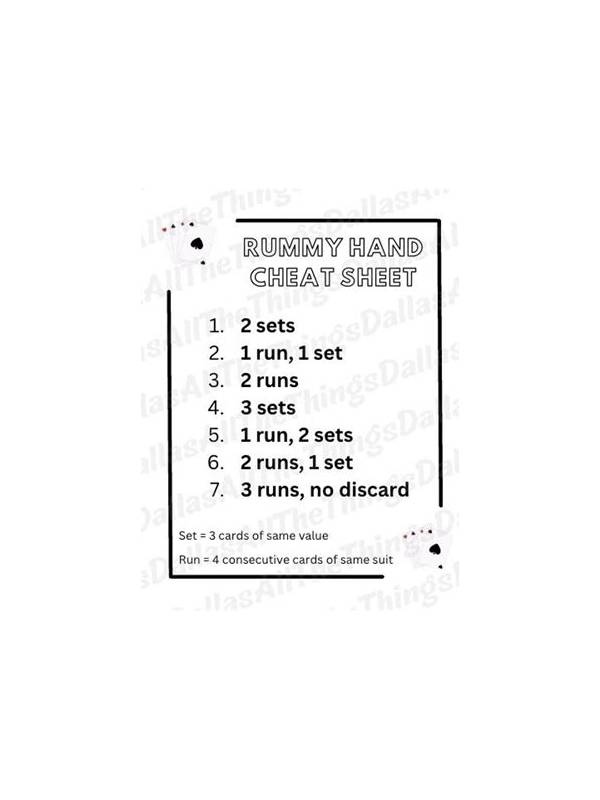
Rummy Comparison: Flexible Hands Versus Focused Hands
Compare flexible and focused rummy plans by their ability to adapt, complete, and recover from [...]