Rummy Safety: Verify Account Limits Before a Session
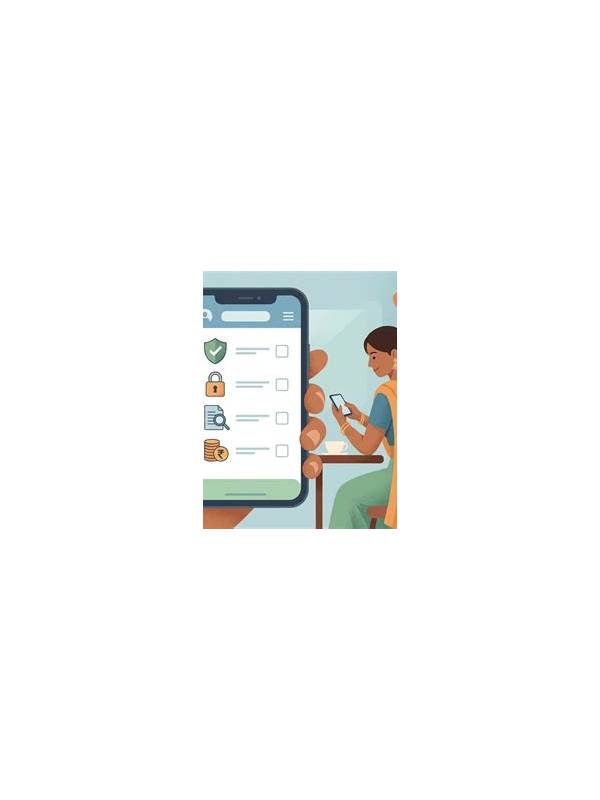
Before using any online rummy service, review the limits and controls that are visible in the account area. The exact labels vary, but the purpose is consistent: understand what you can spend, how long you intend to play, and what happens when a limit is reached.
Start with the session boundary you choose for yourself. Write a stopping time and a maximum entertainment amount before joining a table. Treat these as limits, not targets. If the service offers optional reminders, cooling-off tools, or deposit controls, read their descriptions and activation timing carefully.
Then check the account status page for pending verification requests, restrictions, or notices. Do not upload extra personal documents through an unexpected pop-up or a message that cannot be verified inside the official account area. If a request seems unusual, pause and use the service’s documented support route.
Make a note of withdrawal, refund, or transaction conditions before you need them. A promotion or balance display is not a substitute for clear terms. Read the relevant rule, minimum, processing note, and regional limitation. If you cannot understand a condition, avoid committing funds until you receive an explanation from an official channel.
Protect the check itself. Use a private device, a secure connection, and a password you do not reuse elsewhere. Never share one-time codes, full payment details, or login information with a person claiming to provide support. A genuine support process should not require you to disclose secrets in a public chat.
Finally, stop if the interface and the written terms disagree. Save only non-sensitive details such as a date, page name, and general error message. Do not take screenshots containing card numbers or private identifiers. A two-minute limit review can prevent a much longer dispute and helps keep recreational play within a deliberate boundary.
Remember that a displayed limit may apply only to one activity or period. Read whether it is immediate, daily, weekly, or subject to a waiting period before changing it. If a control is difficult to locate, treat that uncertainty as a reason to pause. After a session, compare actual time and spending with the plan. If the boundary was repeatedly difficult to keep, take a longer break and consider stronger controls before playing again.
Limits are most useful when they are decided while calm. Do not raise one to recover a loss or extend a session that has already passed its planned end. A clear boundary protects the purpose of the activity: controlled entertainment with a known stopping point.
Related Post
Rummy Safety Guide: Set a Session Budget Before the First Deal
A pre-session budget turns responsible play into a clear boundary that is easier to follow [...]
A Simple Rummy Routine for Checking Sequence Legality
This repeatable check helps players catch suit, rank, and pure-sequence mistakes before declaring. [...]