Rummy Safety: Verify a Table Before Accepting an Invitation

An invitation to a rummy table may arrive through an in-app notice, a message, or a shared link. Before accepting, verify what you are being asked to open and whether the table fits your limits. A familiar name or urgent wording is not enough evidence.
Start inside the official app or website when possible. Locate the table through the normal lobby rather than tapping a link from an unknown message. Check the format, entry conditions, time controls, and scoring rules. If the invitation describes a reward, compare it with the promotion information shown in the trusted account area.
Look for mismatches. A strange domain, an unexpected download, unusual spelling, or a request for credentials is a reason to stop. Support staff should not need your password, authentication code, or full payment details through an unsolicited chat. Do not install a modified application simply because the invitation promises access to a private table.
Verify the practical conditions as well. Confirm that the table is within your planned time and spending boundary. Read whether an entry amount is refundable, whether a contest has a fixed end time, and whether the rules differ from the format you already know. If any condition is unclear, do not guess. Use the platform’s official help route before proceeding.
Be careful with social pressure. Messages that say “join now,” “only a few places remain,” or “you must pay to unlock your winnings” are designed to shorten reflection. Take a pause and inspect the invitation later. A legitimate table should still be understandable after you have had time to check it.
If you accidentally open a suspicious page, close it without entering information. Run the device’s normal security checks and review any recent downloads or permissions. If you entered account information, use the official account recovery or security process, not a contact supplied by the questionable message.
Verification is a routine, not an accusation against every invitation. Friends may share legitimate tables, and many platforms provide convenient links. The safe habit is to confirm the destination, rules, and limits through a trusted path before you commit your attention or money.
If an invitation cannot be verified, declining it has little downside. You can ask the sender for the table name and locate it independently, but do not let the sender’s urgency decide how quickly you act. A reliable invitation remains available through normal navigation and clear official instructions.
Related Post
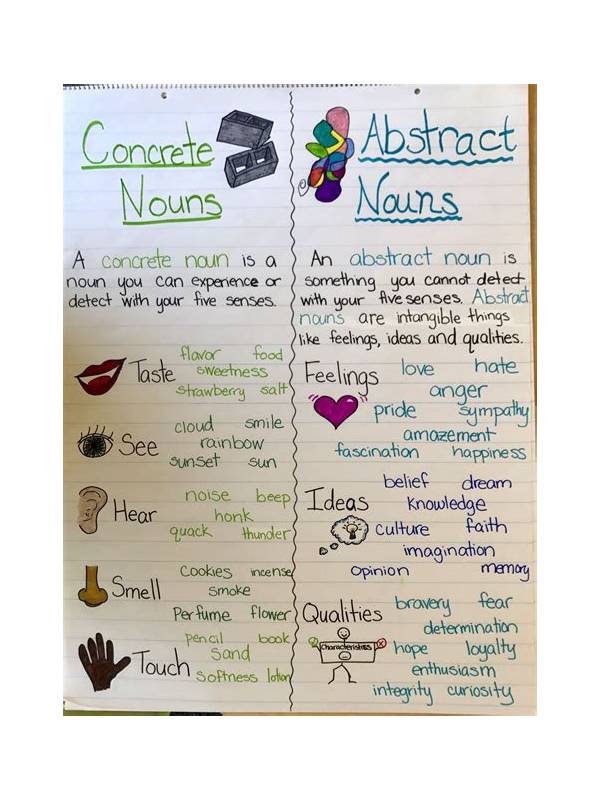
Rummy Comparison: Concrete Practice Hands Versus Abstract Drills
Concrete hands build recognition while abstract rummy drills isolate one decision skill for focused improvement. [...]
Rummy Practice Journal: Track Decisions, Not Just Results
A short practice journal can reveal decision habits more clearly than a simple list of [...]