Rummy Sequence Length: Choosing Three, Four, or More Cards

A sequence only needs the minimum number of cards required by the variant, but a longer sequence can be valuable. The choice is not simply about making the largest group possible. It is about deciding how much of the hand to commit to one suit while keeping enough cards available for another sequence or set.
A three-card sequence is often the quickest foundation. If you hold 4, 5, and 6 of the same suit, those cards already form a compact group. Keeping it intact reduces the number of cards that still need a home. It also leaves more cards for a second group. The limitation is that a short sequence gives less room for future draws to improve the hand, and breaking it later can be costly.
A four-card sequence offers stability and can absorb a useful connecting card. For example, 7, 8, 9, and 10 of diamonds create a strong block. A player may be tempted to keep extending it with a 6 or jack, but extension is not automatically better. If the remaining cards are scattered, completing a second sequence may matter more than turning one good group into an impressive one.
Long sequences become especially attractive when they include several cards that are difficult to use elsewhere. A run of five low or middle cards may be efficient because those cards have modest penalty values if the hand ends unexpectedly. However, long groups can also hide an opportunity cost. A card at one end might connect with another card in hand, while the same card contributes little to the existing run.
Use three questions before extending a sequence. First, does the new card complete a needed requirement or only make an existing group longer? Second, can the cards outside this sequence form the remaining groups? Third, would moving one end card create two useful possibilities? These questions prevent visual satisfaction from replacing sound planning.
Jokers change the calculation. A joker can make an impure sequence longer, but it should not be treated as proof that the group is finished under every rule set. Confirm how the table counts wild cards and whether a pure sequence must be built without them. A printed or wild joker may be more useful in another group, so keep flexibility in mind.
The best sequence length is the one that supports a complete, legal hand with the fewest uncertain cards. Build a reliable base, evaluate the unfinished groups, and extend only when the added card improves the whole arrangement. In rummy, a balanced hand usually beats a single oversized group.
Related Post

Rummy How-To: Use a Reset Point During a Long Session
A planned reset point helps you clear stale assumptions and make the next hand with [...]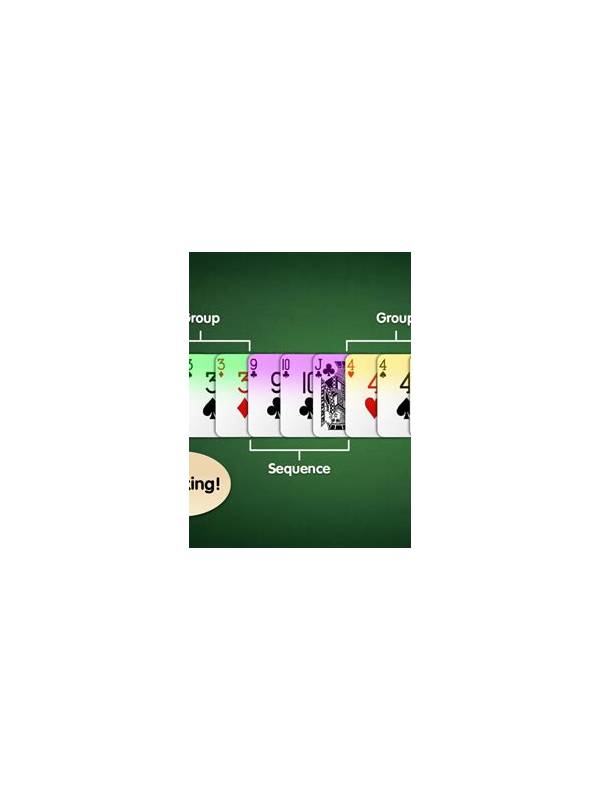
Rummy How-To: Rebuild a Hand After a Missed Draw
A missed draw is a signal to reassess the hand, not a reason to keep [...]