Rummy Session Hydration: Support a Steady Practice Routine
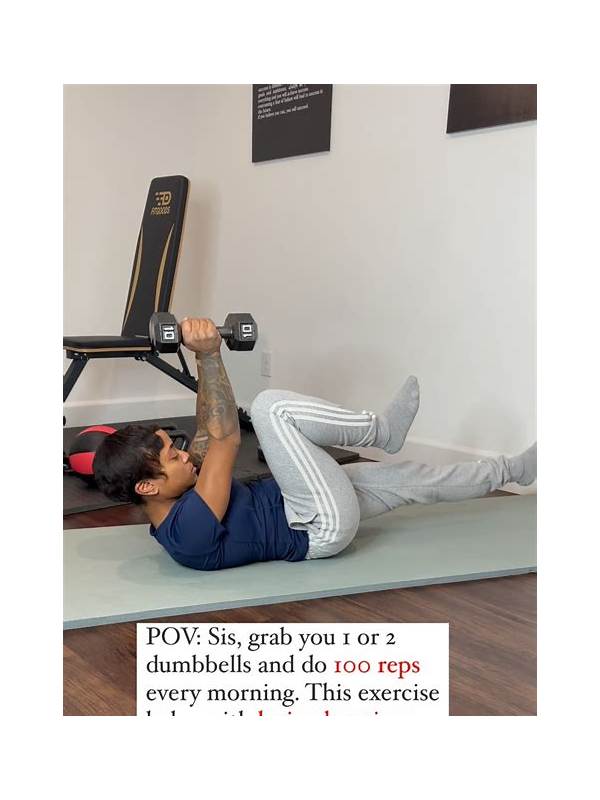
Long card sessions can become less reliable when a player is thirsty, hungry, or unwilling to take a break. Hydration is not a playing strategy, but it supports the basic attention needed to read a hand and check an action. A simple routine is enough; it does not need to interrupt every turn.
Place water within reach before starting and use a container with a secure lid. Keep it away from the deck, keyboard, and phone. Take a few sips between rounds or during a natural waiting period rather than handling cards with wet hands. If you are playing online, step away only when the platform’s rules and timer allow it.
Pair longer sessions with a planned pause. Stand up, look away from the screen, and check whether you still feel alert. A break is especially useful after a close hand, because emotional intensity can hide ordinary fatigue. If you return, reread the table conditions instead of assuming the session state is unchanged.
Do not use drinks or snacks to justify extending a session beyond your time or spending boundary. A comfortable body cannot repair an unclear rule, a suspicious payment request, or a decision made under pressure. If you feel dizzy, unwell, or unusually tired, end the session and take care of yourself.
For practice reviews, note whether concentration changed late in the session. If errors cluster after a certain duration, shorten future blocks and review at the end of each one. The aim is repeatable learning, not the longest possible sitting.
Small environmental habits—water, a planned pause, and a safe surface—make it easier to keep card handling and decision checks consistent. They are simple supports for a calm routine.
Plan the pause before the hand becomes difficult. A player who waits until concentration has already collapsed may feel compelled to finish quickly. Tell house-game partners that you will take a break between rounds, and use the platform’s normal exit or sit-out control online. Returning with a clear head is more valuable than preserving an arbitrary streak of continuous play. Keep the break simple: drink water, change your focus, and decide whether you actually want to return. Do not use a break to chase a loss or make a hurried deposit. If you feel better after resting, recheck the table status and personal limits before continuing. If not, close the session without treating that choice as failure.
Related Post

How to Spot a Misread Rummy Group Before Declaring
A deliberate final scan catches suit, rank, and joker mistakes that can invalidate an otherwise [...]
Rummy Safety: Create a Stop Signal Before Playing
A pre-set stop signal makes it easier to end a recreational rummy session on time. [...]