Rummy Session Preparation: A Five-Minute Pre-Game Routine
A short preparation routine can make a rummy session calmer, clearer, and easier to review. It does not improve a random deal, but it can improve the quality of decisions made after the deal. Five minutes is enough to check your environment, your intentions, and the rules that apply to the table.
Start with the practical setup. Charge the phone, use a stable connection, and close applications that may interrupt play. Put the device on a surface where the cards remain easy to read. If you are playing with a time limit, decide when you will stop before opening the table. A prepared exit removes the temptation to continue simply because the last hand went badly.
Next, state the purpose of the session in one sentence. You might be practicing discards, learning a format, or playing a small recreational game. Keep the purpose observable. “I will review my early meld choices” is more useful than “I must win.” A process goal remains useful after both wins and losses.
Check the table information before joining. Confirm the variant, entry amount, scoring method, player count, and any conditions attached to a bonus or contest. If a rule is unclear, read the help page or ask support before committing. Never assume that a familiar name means identical rules on every platform.
Set a simple decision rule for emotional changes. For example, pause after two frustrating hands, or end the session when you notice rushed taps and skipped checks. You can also write down a fixed spending ceiling for any paid play. The ceiling should be an amount you can lose without affecting necessities, and it should never be increased during the session.
Finally, take one slow look at your opening hand. Do not try to predict the whole game immediately. Identify possible sequences, high-value cards that need attention, and flexible cards that can connect more than one way. This creates a starting map without locking you into a plan.
Preparation is successful when it makes your play deliberate and your stopping point visible. Keep the routine short enough to repeat. After several sessions, compare your notes and adjust the routine around the mistakes you actually make. The routine should support responsible recreation, not pressure to play longer or spend more.
Related Post

Yono Rummy Bonuses: What to Check in the Terms
Learn how to evaluate bonus headlines, eligibility rules, wagering conditions, and withdrawal limits on rummy [...]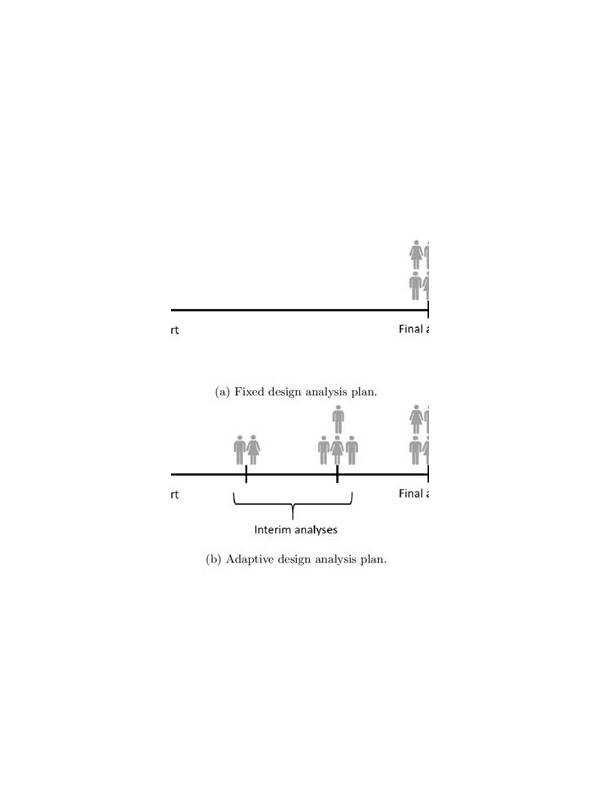
Rummy Comparison: Fixed Plans Versus Adaptive Plans
See when a firm hand plan helps and when changing direction is the more disciplined [...]