Rummy Set Building: Avoid Reusing One Card Twice
This check is useful even when the app highlights possible groups. Automatic suggestions are aids, not substitutes for reading the rules. A highlighted arrangement may show a possibility while the final declaration depends on the complete hand. Before confirming, point to each card in a group and verify it is not marked elsewhere. Strict ownership keeps visual patterns from becoming invalid results and makes the final scan easier to explain. This check is useful even when the app highlights possible groups. Automatic suggestions are aids, not substitutes for reading the rules. A highlighted arrangement may show a possibility while the final declaration depends on the complete hand. Before confirming, point to each card in a group and verify it is not marked elsewhere. Strict ownership keeps visual patterns from becoming invalid results.
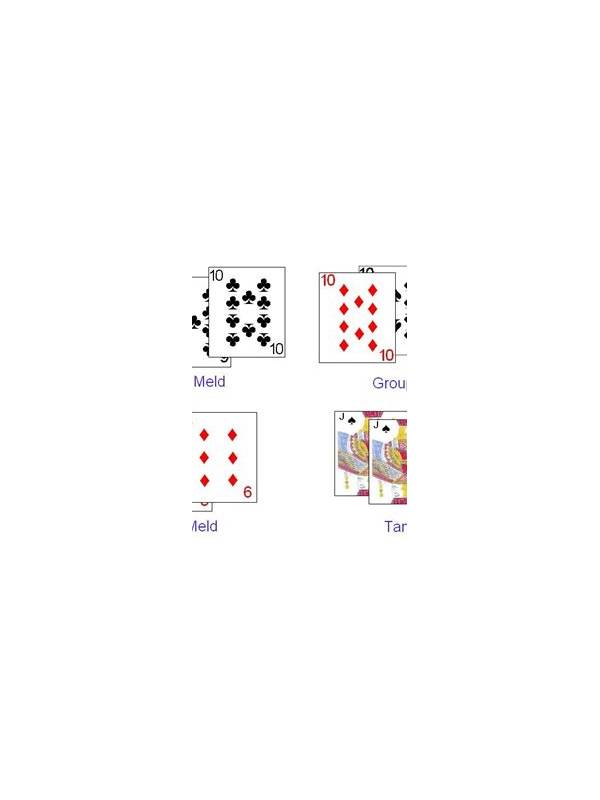
One of the easiest rummy errors is using the same card in two imagined groups. A middle card may appear to complete a sequence while also belonging to a set. On paper, both ideas look good; in the actual hand, one physical card cannot occupy both places. Set building therefore begins with strict card ownership.
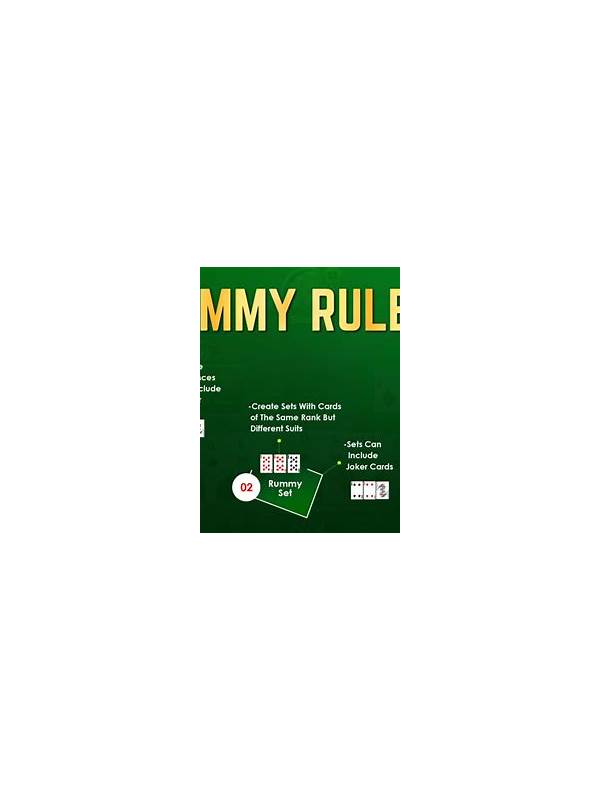
Lay out the hand so every card is visible. Mark completed groups first, then reserve those cards. For each possible set, compare ranks and suits according to the table rules. A pair is not a set, and a group that accidentally includes duplicate suits may not qualify. Check the exact rule page when the format uses special conditions.
After marking a set, rescan the remaining cards for sequences. If a sequence requires a card already used by the set, the two plans compete. Compare which plan is closer, more flexible, and more important to the required hand structure. Do not count both in your mental total.
Jokers can reduce a missing-card problem, but they do not create an extra physical card. Assign each joker to one group and check whether the other groups still work. If a plan depends on several overlapping wild-card assignments, it is probably not yet a reliable arrangement.
Before declaring, perform an ownership check from left to right. Point to each card in a group, then confirm it is not marked elsewhere. This may feel slow in practice, but it becomes quick with repetition and is far cheaper than discovering the overlap after confirmation.
Valid grouping is a puzzle of both matching and allocation. A disciplined ownership check keeps the puzzle honest, makes the hand easier to explain, and prevents visual patterns from being mistaken for a legal result.
Related Post
Rummy How-To: Make a Card-Role Audit After Each Draw
A fast card-role audit identifies cards that still have a job and cards kept only [...]
Rummy Tips: Explain a Discard in One Neutral Sentence
A one-sentence explanation exposes the actual basis of a discard without turning review into self-criticism. [...]