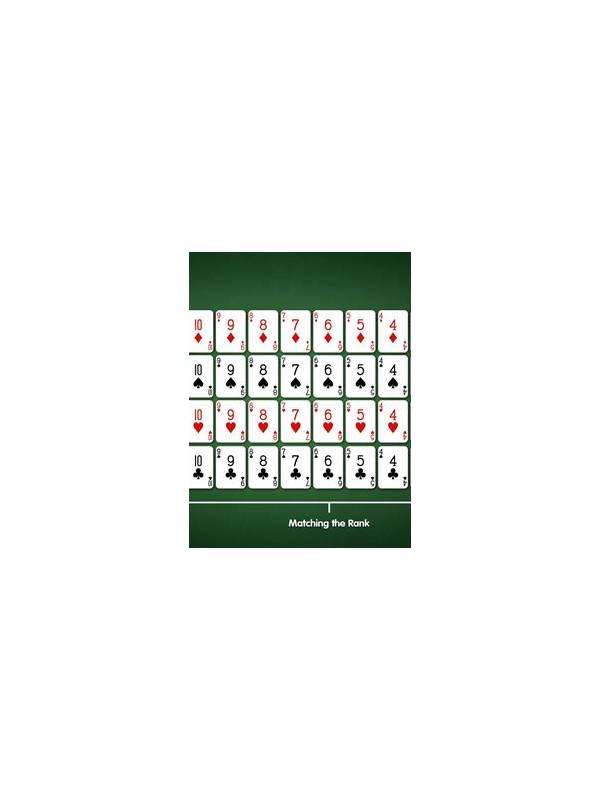
Rummy Set Completion: Check Suit Diversity Carefully

A set can look convincing at a glance because the ranks match. Validity usually depends on more than matching numbers: the cards may also need different suits, a minimum size, and compliance with the variant’s joker rules. A deliberate suit check prevents a tidy-looking group from becoming a declaration problem later.
When you notice matching ranks, spread the cards so every suit symbol is visible. Mark any duplicated suit immediately. In many rummy formats, two cards of the same rank and suit are not accepted as a normal set because they represent the same card. A digital interface may make duplicates or wild cards easy to overlook, especially on a small screen.
Then count the group. Confirm the minimum and maximum size allowed by the current table. A pair may be a developing set rather than a finished one, while a larger group may be valid only under certain rules. Printed jokers and wild jokers can have different treatment, so check the official instructions instead of relying on a rule remembered from another game.
Compare the set with alternative arrangements. One matching-rank card might be more valuable in a same-suit sequence, particularly if it helps form a required pure sequence. Do not lock it into a set simply because the rank match is visually obvious. Arrange all cards first, then compare the number of missing pieces and the consequences of each plan.
Before declaring, audit each set aloud or silently: same rank, permitted suit diversity, legal size, and valid substitutions. If the platform offers a confirmation screen, read it instead of tapping through automatically. In physical play, expose the cards clearly so the check can be made without ambiguity.
The habit is simple and portable. A set is not complete because the ranks look alike; it is complete only when the whole group satisfies the active rules and fits the best overall hand. Practicing the suit-diversity check makes late decisions faster because the important questions have become automatic. The habit is simple and portable. A set is not complete because the ranks look alike; it is complete only when the whole group satisfies the active rules and fits the best overall hand. Practicing the suit-diversity check makes late decisions faster because the important questions have become automatic.
This check also protects against overvaluing a set because it reduces visible points. Point reduction matters, but a set that blocks your only route to a required sequence can be a poor bargain. Review the entire arrangement before committing. If you are teaching a new player, have them name the rank and each suit aloud; the small delay builds a habit that becomes faster with repetition.
Related Post
Rummy FAQ: How Can You Check a Rule Quickly?
A quick rule check focuses on the few details that can change a rummy decision [...]
Rummy Sets Versus Sequences: A Decision Guide for Beginners
Compare sets and sequences by their role in a valid hand, not by which group [...]