Rummy Shuffle Awareness: What a New Hand Can Teach You
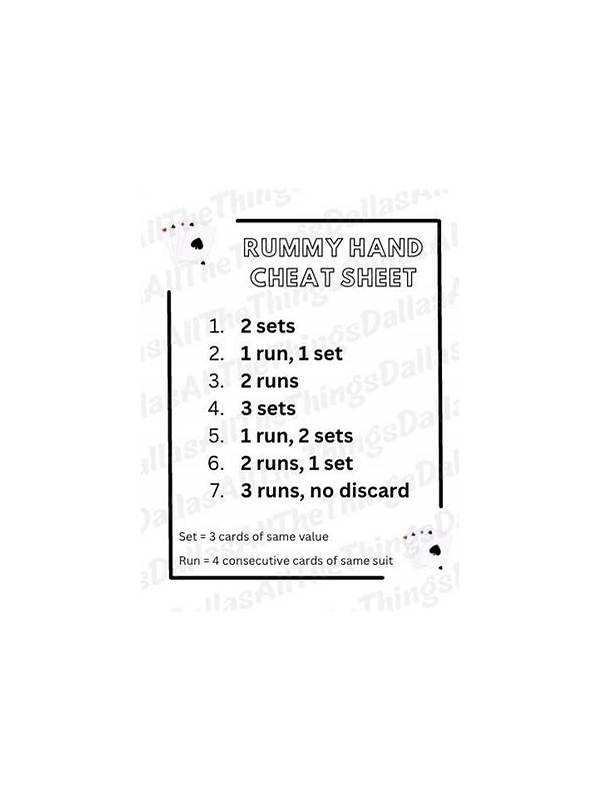
A new rummy hand is a starting position, not a promise. Some hands immediately show a sequence, while others contain pairs, isolated cards, and several possible directions. Shuffle awareness means noticing that difference before you begin making emotional judgments. The useful question is not whether the hand looks lucky. It is whether the hand gives you one clear route, several reasonable routes, or no reliable route yet.
Begin with a quiet inventory. Count the cards, identify any completed group, and mark cards that can connect in more than one way. Then note the awkward pieces: a high singleton, a duplicated rank, or a card that belongs to a suit with no neighbor. This first scan prevents one attractive pair from dominating your attention. It also gives you a baseline for judging whether a later draw genuinely improves the hand.
A strong opening route should have at least one fallback. For example, two connected cards may support a sequence, but they should not automatically justify keeping every unrelated card in that suit. Ask what happens if the missing card does not arrive. Can the cards be released without creating a worse problem? If the answer is yes, the route is flexible. If the answer is no, it is a speculation that deserves a review point.
Do not treat the first useful draw as proof that the opening reading was correct. A card can improve one group while making the rest of the hand harder to organize. After each meaningful draw, compare the new hand with the original baseline: fewer loose cards, better alternatives, or simply a more attractive pattern? Only the first two are dependable signs of progress.
Finally, record one sentence after practice: “The opening hand needed…” Complete it with “a broad plan,” “an early discard,” or “more patience.” Over time, these observations reveal your recurring mistakes. Shuffle awareness is valuable because it changes the first few turns from a reaction to a measured assessment.
This approach also protects against comparing your hand with someone else’s apparent progress. Another player may show a completed group while your hand is still in its information-gathering phase. That difference is not evidence that your route is wrong. Keep the opening baseline, review the jobs of the loose cards, and wait for a draw that changes the structure. A calm first assessment gives later decisions a reference point. A calm first assessment gives later decisions a reference point.
When reviewing the opening, distinguish what the cards offer from what you hope they will offer. That distinction keeps a promising shape from becoming a commitment before it has support.
Related Post
Rummy FAQ: Does a Bigger Draw Always Mean a Better Draw?
Compare immediate card count with the quality, flexibility, and risk of the improvement it creates. [...]
Rummy FAQ: Should You Keep a Card to Block an Opponent?
Holding a card solely to deny another player can be sensible briefly, but your own [...]