Rummy Strategy: Measure a Draw by Its Exit Plan

Players often ask whether a draw is worth pursuing, but a better question is whether the draw has an exit plan. A draw can be promising at the start and still become expensive when several turns pass without improvement. Defining the exit keeps hope from becoming a strategy.
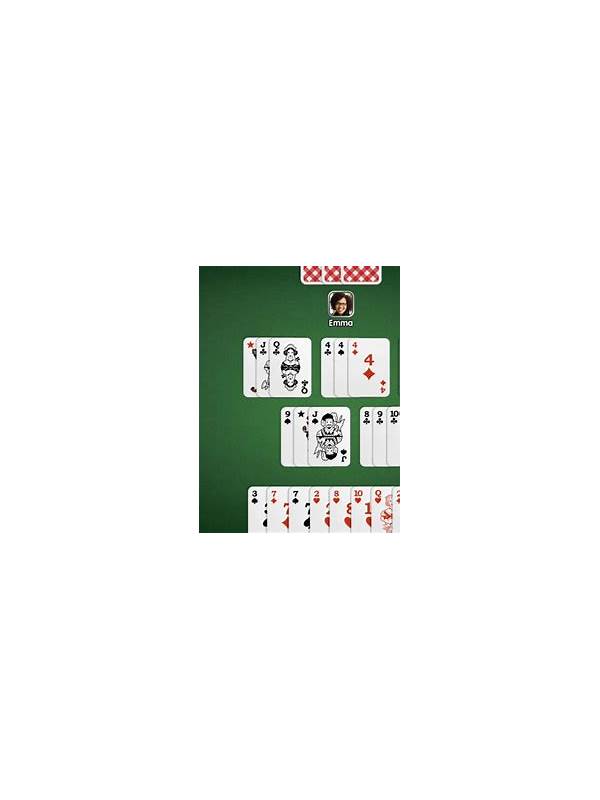
Describe the draw in concrete terms. Identify the cards that improve it and whether those cards create a valid group under the table’s rules. Then identify the cards you must hold while waiting. A draw that depends on one missing rank and forces you to keep two high, disconnected cards carries a different cost from a low-point draw that also supports another structure.
Set a checkpoint. It might be after two unhelpful draws, after a relevant card appears in the discard pile, or after another group becomes clearly stronger. The checkpoint is not a prediction of failure. It is a promise to review the evidence instead of continuing automatically.
At the checkpoint, ask three questions. Has the number of realistic improving cards changed? Has holding the draw prevented a safer discard? Can the remaining hand still satisfy the declaration condition if the draw fails? If answers are unfavorable, release the narrow plan and preserve the cards that serve broader purposes.
An exit plan can also be conditional. “Continue if a low-point connector appears; otherwise release the high card” is more useful than “wait a little longer.” Conditional language makes the next action visible before emotion takes over. It also makes post-game review easier because you can check whether you followed the rule.
Do not confuse an exit plan with rigid timing. A single new card can improve a draw enough to justify continuing, while a visible discard can make it unrealistic sooner than expected. Reassess when information changes. The goal is disciplined flexibility.
A draw should earn its place in the hand by improving the likely arrangement or reducing risk. If it cannot do either, its story may be more appealing than its value. By measuring both the possible improvement and the cost of staying, you make room for stronger plans without needing certainty about the next card.
Test an exit plan in practice by writing it before a drill. After each turn, mark whether the condition was met and whether you followed the planned release. This reveals whether the condition is too vague or arrives too late. Revise the wording until it leads naturally to one action.
Related Post

Rummy FAQ: Why Can an Early Declaration Fail?
Declaring quickly is not enough; every required group must be valid under the table rules [...]
How to Rebuild a Rummy Hand After a Bad Opening
A structured reset can turn a scattered opening hand into a manageable set of decisions. [...]