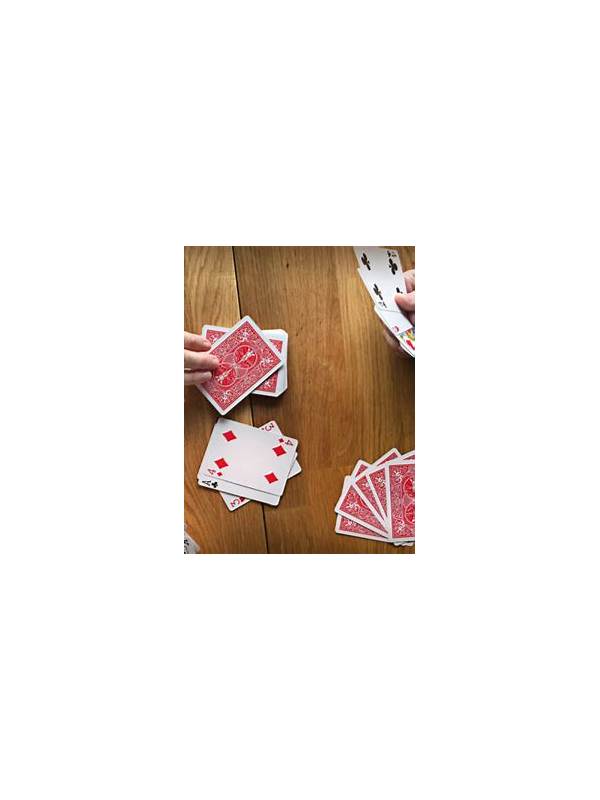
Rummy Strategy: Read Discard Signals Without Guessing
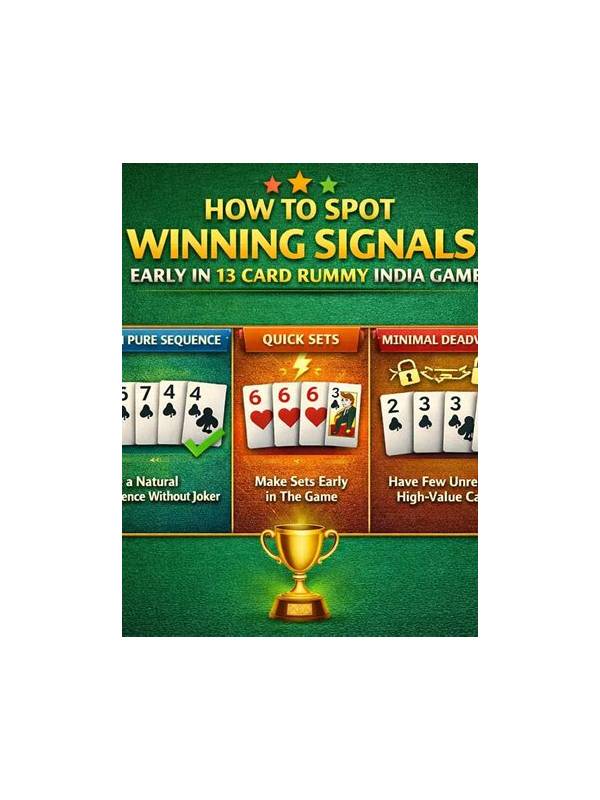
The discard pile is a record of choices, but it is not a transparent view of another player’s hand. A player may throw away a card because it is useless, because it completes a different plan, or because they are deliberately keeping their options private. Good observation therefore means collecting small clues without turning one card into a confident prediction.
Start by noticing repeated ranks and suits. If several cards from one sequence have appeared in the discard pile, that sequence may be less available to chase. The observation is especially useful when your own hand depends on exactly those cards. It does not prove that nobody wants the remaining cards; it simply lowers the value of a narrow plan.
Next, watch what is taken from the pile when the rules make that information visible. Taking a discard can reveal a current need, while drawing from the closed deck reveals almost nothing. Still, a taken card may be used immediately, held as a decoy, or joined to a plan you cannot see. Record the action as a probability update, not a declaration of intent.
Use a three-column mental note: card observed, possible meaning, alternative explanation. For example, a player discards a nine of hearts. One meaning is that hearts are not useful to them. An alternative is that they already have a better heart sequence. This simple second explanation protects you from overreacting.
Your own hand should remain the priority. Do not keep a weak card merely because you imagine an opponent wants it, and do not discard a valuable card solely to block a theory. First protect your required sequence and reduce expensive, disconnected cards. Use table signals as a tie-breaker between otherwise similar moves.
At the end of a round, compare your guesses with what actually happened. Which signals were repeated? Which were noise? A short review improves pattern recognition while preserving humility. In rummy, visible information is useful precisely because it is incomplete: it helps you choose among sensible plans, but it rarely justifies certainty. Use the same discipline when the pile is unusually active. Several taken cards may indicate a fast round, but they may also reflect convenience rather than a shared target. Note the sequence of actions and wait for a repeated pattern. One observation is a prompt to look closer; two or three related observations can justify changing which plan you prefer. This approach keeps attention on decisions you can control and prevents table reading from becoming a source of unnecessary suspicion.
Related Post
Rummy Table Review: Check the Exit Before You Enter
Reviewing how to pause or leave a rummy table before joining makes session boundaries easier [...]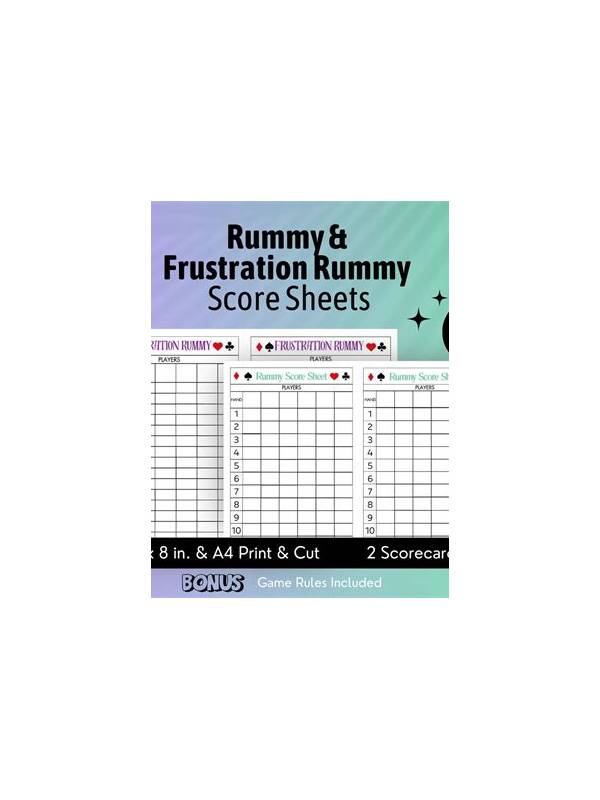
How to Keep a Rummy Score Sheet That Helps You Learn
How to Keep a Rummy Score Sheet That Helps You Learn offers practical guidance for [...]