Rummy Strategy: Use Suit Distribution to Break Ties
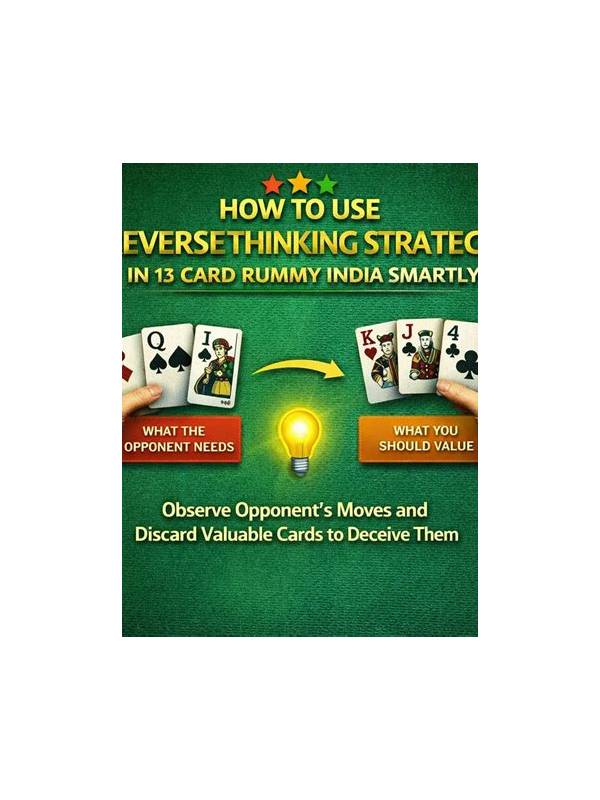
When two possible rummy plans look equally promising, suit distribution can provide a useful tie-breaker. It does not predict the next card, and it cannot replace the basic requirements for a valid hand. It simply gives you another way to compare the flexibility, risk, and timing of the groups you are considering.
Start by making a quick inventory of your hand by suit. You might have several cards from one suit, a pair from another, and isolated cards in the remaining suits. Do not treat a large number in one suit as automatically good. The important question is whether those cards are close enough in rank to form a sequence, or whether they are merely a collection of unrelated cards.
Suppose you are choosing between keeping a same-suit five and nine or keeping two cards from different suits that are one rank apart. The second option may look more flexible at first, but it depends on a particular suit arriving. The same-suit cards may be less connected now, yet they could become useful if a middle card links them. Compare the number of realistic improvements rather than counting cards alone.
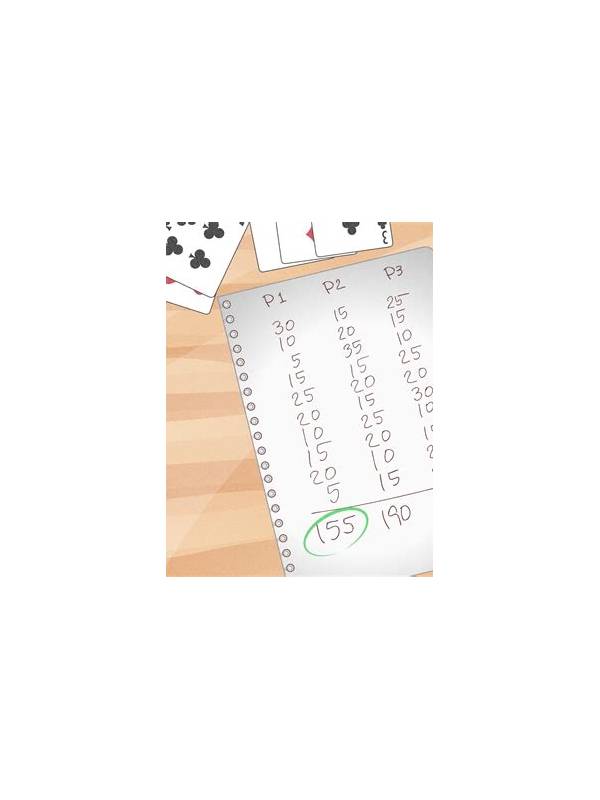
A practical method is to score each candidate plan in three columns: current connection, possible connectors, and penalty if the plan fails. Current connection describes what the cards already do together. Possible connectors are the ranks that could improve the group. The penalty is the value or inconvenience left behind if you abandon the idea later. This small table keeps excitement about one attractive card from dominating the decision.
Suit distribution is especially helpful when evaluating a high card that has no immediate partner. If the suit already supports another connected group, the card may deserve temporary protection because it shares a route to a sequence. If it is the only card of its suit and has no nearby rank, it is often a weaker long-term candidate. The exact discard still depends on your variant and the visible information at the table.
Use the method again after every draw. A new card can change the balance completely: a previously isolated suit may become a natural sequence, while a crowded suit may contain duplicate ranks that compete for the same spaces. Recounting prevents you from defending an old plan simply because you started with it.
There are limits to this approach. Do not keep a poor card only because its suit is underrepresented, and do not break a confirmed pure sequence to make the suits look even. Valid structure and a manageable hand come first. Suit distribution is most valuable when two legal-looking routes have similar strength and you need a calm, repeatable way to choose.
With practice, this check takes only a few seconds. You begin to see not just individual cards, but the shape of the hand: concentrated, scattered, balanced, or crowded around one suit. That view can make close decisions clearer without pretending that rummy offers certainty.
Related Post
Rummy Practice: Train Recognition With Unsorted Hands
An unsorted-hand exercise helps players notice groups without depending on a familiar visual layout. [...]
Rummy Accessibility Features That Improve Playability
Simple accessibility and display settings can make digital rummy clearer and less tiring. [...]