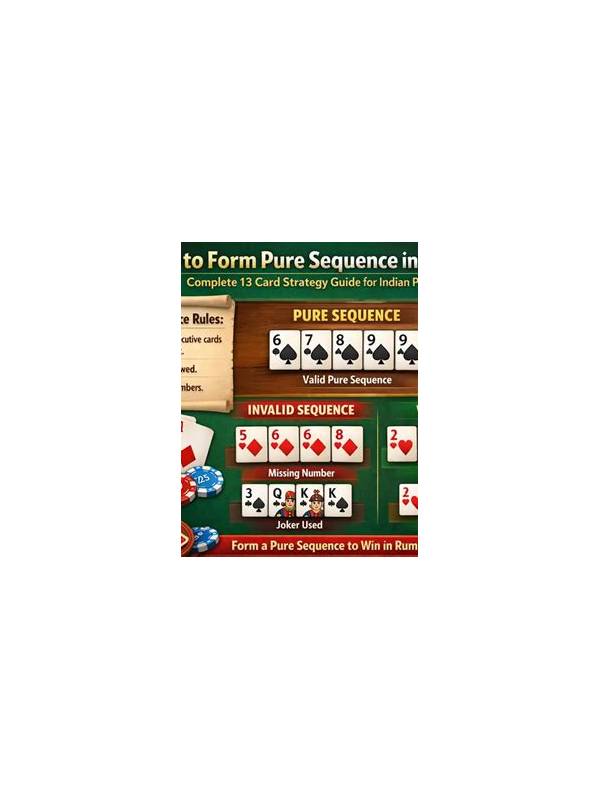
Rummy Table Timing: How to Use a Turn Timer Wisely

A turn timer is part of the rules, not just a countdown on the screen. Using it well means making routine checks quickly while preserving enough time for unfamiliar decisions. The best timing habit is preparation before the timer becomes urgent.
When your turn begins, identify the available actions first. Confirm whether you are drawing from the stock or discard pile, then inspect the current hand. Do not begin by studying every opponent detail. A simple order—action, hand, candidate discard, confirmation—reduces wandering attention.
Keep your hand arranged consistently. If you repeatedly change the order, the timer is spent rebuilding your mental map. Group confirmed sequences together, keep unresolved cards separate, and make joker substitutions clear. Practice this layout until you can locate high-value and flexible cards quickly.
Use a fast first filter. Ask whether any card completes a required group, whether a pure sequence is protected, and which ungrouped card has the least future value. If the answer is clear, act. If it is not clear, use the remaining time to compare two realistic alternatives rather than exploring every imaginable draw.
Avoid waiting for the last second to confirm. A weak connection, delayed touch, or accidental selection can turn a correct decision into a timeout. Leave a small safety margin, especially on a mobile network. If the interface lags repeatedly, stop joining paid tables until the technical problem is resolved.
Do not let another player’s speed dictate yours. Some players act quickly because their choice is simple; others may be rushing. Your target is accurate, legal play at a comfortable pace. If the format is too fast for learning, use a slower or practice table.
After a timeout, record the cause. Was the hand poorly organized, were the rules unfamiliar, or were you distracted by chat? Fix the cause rather than simply trying to tap faster. A pre-game layout check and muted notifications may solve more than aggressive speed training.
Timing skill is a form of risk control. It protects against avoidable errors while respecting the table’s rules. Learn the sequence of checks, keep a margin, and leave when fatigue or connection quality makes that margin disappear. Reliable timing comes from a clear routine, not from accepting unnecessary pressure.
Related Post
Rummy How-To: Separate Practice Goals From Results
Build better rummy skills by measuring the process you intended to practice instead of only [...]
How to Review a Rummy Hand After the Round
A simple post-round review can turn an uncertain rummy hand into a useful learning exercise. [...]