Rummy Strategy: Test Whether a Set Is Blocking a Better Plan
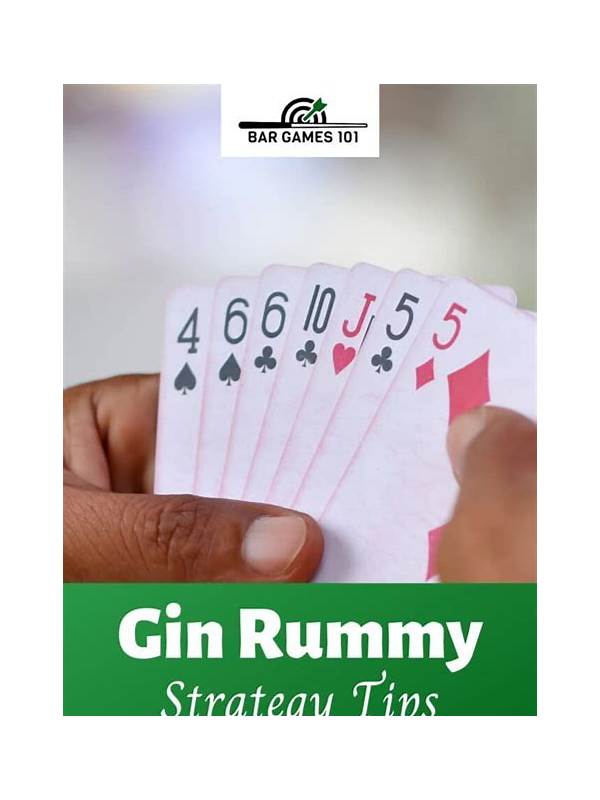
A pair or three-card set often feels reassuring because matching ranks are easy to see. Yet a set may compete with a sequence that is more important for a valid declaration. The goal is not to break useful groups casually, but to test whether the set is helping or merely occupying cards.
First, confirm the rules. Some formats require a particular kind of sequence before other groups matter. If your set does not help meet that requirement and your sequence plan is incomplete, the set may deserve a lower priority. A group’s legal status is more important than its visual neatness.
Next, inspect the cards that the set uses. Are they isolated from useful neighboring cards, or are they part of a promising run? A rank match does not automatically erase sequence potential. A card that belongs to both ideas should be treated as a shared resource, and shared resources need a deliberate choice.
Count alternatives for each plan. A set may need one exact matching rank, while a sequence may accept cards on two sides. Conversely, the sequence may depend on cards already visible in the discard pile while the set has several unseen matches. Use practical availability rather than a simple preference for runs.
Timing changes the answer. Early in a hand, holding the set while testing a sequence can preserve options. Later, you may need to choose the route that is closest to completion and protects the required structure. Do not keep a blocking set indefinitely just because it was formed first.
There is also a release question. If breaking the set creates several high-value loose cards, the cost may be too large. If one card can leave while the other two still form a useful group, the adjustment may be safer. Compare the new hand after the break, not only the group you are sacrificing.
The best practice is to ask a neutral question each turn: “What job does this set perform now?” If the answer is security, keep it. If the answer is only that the cards match, compare it again with your sequence routes. A valid set is an asset, but an asset can still be misplaced when it blocks the structure that matters most. Use this test after every meaningful draw, not only when the hand is failing. Early review can reveal that a set is harmless and should be protected, or that it is quietly consuming the only cards that could form a foundation. Small corrections made early are usually less costly than a desperate rearrangement near the declaration.
Related Post
Rummy How-To: Review a Choice With the Reversibility Test
The reversibility test shows whether a rummy action preserves a useful way back when the [...]
Rummy How-To: Make a Personal End-of-Round Checklist
A short end-of-round checklist turns a completed rummy hand into a consistent learning opportunity. [...]