Rummy Tips: Avoid Suit Tunnel Vision
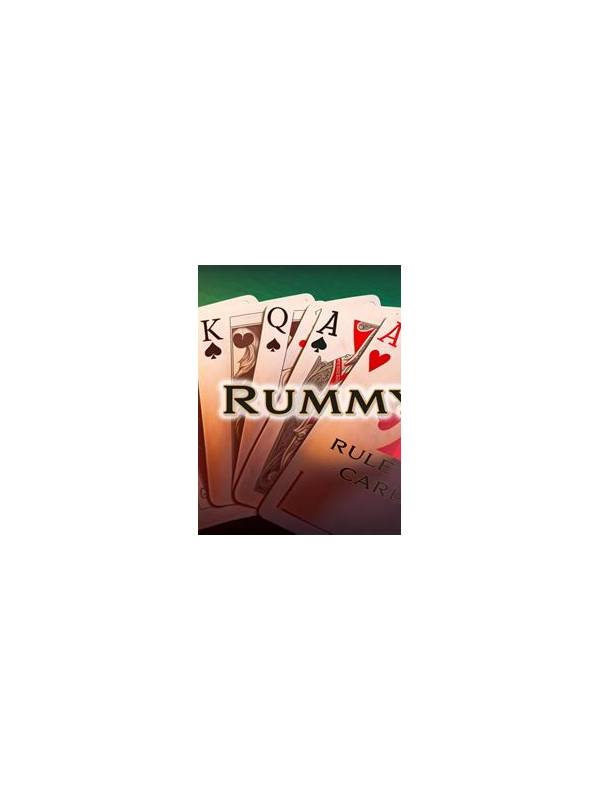
Suit tunnel vision happens when a player notices two cards in one suit and begins judging every later draw by whether it supports that suit. Same-suit cards can be useful, but a valid rummy hand depends on connected groups, required sequences, and the whole arrangement.
To avoid tunnel vision, name at least two possible routes before your first discard. One may use the attractive suit, while another may use a set or a different sequence. You do not need to pursue both forever. The exercise simply prevents the first pattern you notice from becoming an untested commitment.
Check the distances between ranks. Three cards in a suit that are widely separated may look coordinated but require several specific improvements. Two cards in another suit that are adjacent may have a more practical future. Rank connection is more important than the visual comfort of a shared suit.
Set a review point. After one or two draws, compare the original suit plan with the alternatives. If the same-suit route has gained a neighbor, it may deserve continued protection. If it has not improved and another route has become stronger, release the weaker cards without regret. Holding them because they were once promising is a sunk-cost mistake.
Pay attention to the mandatory structure in your format. An attractive set or same-suit cluster cannot substitute for a required pure sequence if the rules demand one. Write the requirement mentally at the top of your priorities before evaluating optional improvements.
Your discard choices can also reveal tunnel vision. If you repeatedly discard useful cards from every other suit merely to protect one narrow route, pause and count the full cost. A flexible card in a different suit may be more valuable than a distant card in the suit you have favored.
The remedy is not to avoid suit-based plans. It is to keep them accountable to rank connections, legal requirements, timing, and fallback value. Review the whole hand after each meaningful draw. A suit is a useful organizing clue, never a promise that the hand should follow one path. A useful reset is to inspect the remaining suits without the favored suit in your mental picture, then compare both views. This comparison takes only a moment and often reveals whether the plan is truly strong. Use the reset whenever a single attractive pattern starts deciding every discard for you. This simple pause keeps the hand open to evidence instead of habit.
Related Post

Rummy Safety: Keep a Record of Unusual Account Events
A factual record of unusual sign-ins, payments, or table behavior can make legitimate support and [...]
Rummy Safety: Recognize When a Session Is Too Distracting
Recognizing distraction early helps players protect attention, privacy, and decision quality during online rummy. [...]