Rummy Tips: Change Plans After an Opponent Melds
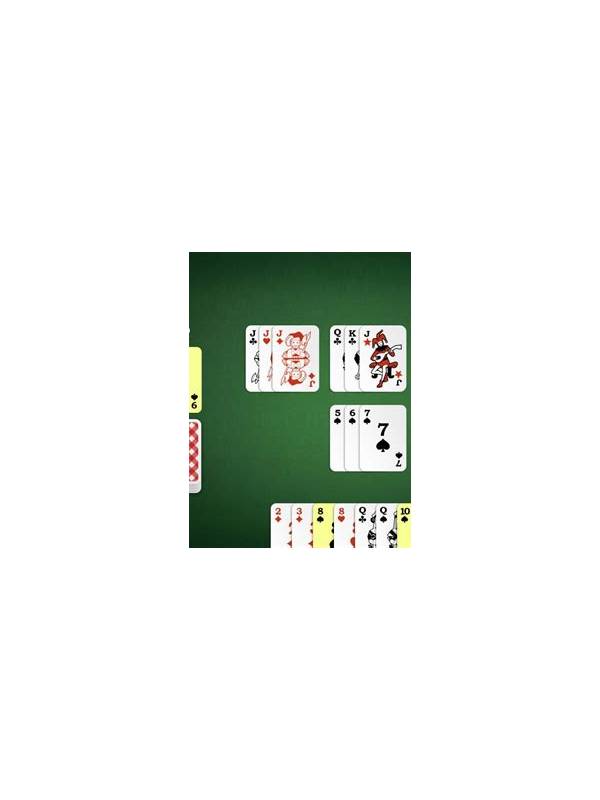
When an opponent lays down a meld, the table’s information changes. Cards that were unknown become part of a visible structure, and some routes in your own hand may become less plausible. The best response is an update, not an automatic panic or imitation.
First, identify what the meld actually proves. A visible sequence confirms that those cards are held by that player, but it does not reveal every card they need. A set shows a rank relationship, yet the player may have another sequence developing privately. Separate facts from guesses before changing your discard.
Next, compare the meld with your own requirements. If it contains a card you were waiting for and the format has only one copy, remove that route from your plan. If duplicates exist, reduce its priority rather than deleting it entirely. If the meld reveals that a suit or rank is already heavily occupied, look for a flexible alternative.
Re-sort your hand into confirmed groups, promising links, and isolated cards. Then ask whether the original discard candidate still carries the highest cost. An opponent’s meld can make a previously useful card safer to release, but it can also make a different card more urgent to remove.
Do not copy the opponent’s arrangement automatically. Their hand may have different cards, a different scoring position, or a different objective. Use the meld as information about availability and pace, then choose a plan that satisfies your own hand’s rules.
A good update takes only a few seconds: what is known, what route changed, what remains legal, and which discard now reduces risk. Practicing this sequence helps you remain adaptable without letting another player’s action control every decision. The update may also change the meaning of timing. If an opponent’s meld indicates they are close to finishing, prioritize a legal, low-risk route over a speculative improvement. If the meld is early and your hand still has several improvements, keep the original plan but monitor it. Adaptation is not the same as surrendering your strategy; it is the habit of allowing new facts to change the ranking of your options. Keep the update proportional. One visible meld should not make you discard a sound group or abandon a requirement that is still achievable. The purpose of the review is to rank options again, not to replace evidence with fear of the opponent’s progress. This measured response preserves your own agency while still respecting the new information.
Related Post
Rummy FAQ: What Does a Backup Plan Look Like?
A backup plan is a realistic second route that protects a rummy hand when the [...]
Rummy How-To: Create a Simple Hand-Reading Worksheet
A compact worksheet can turn vague impressions about a hand into repeatable observations and review [...]