Rummy Tips: Count Melds, Not Just Individual Cards
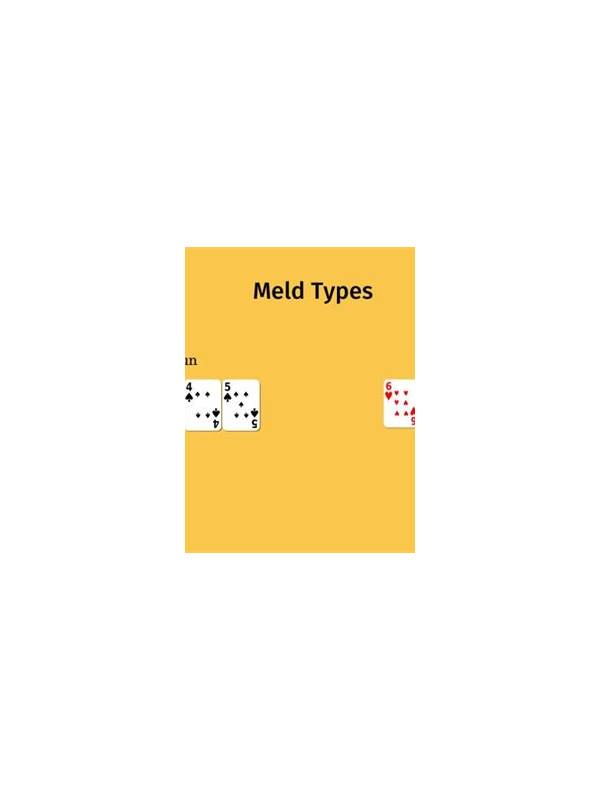
Players often evaluate a hand by pointing to its best cards. A more reliable view is to count the structures those cards can support. A hand with several attractive singles may be less advanced than one with a modest pair and a nearly complete sequence.
Separate your cards into three categories: completed melds, developing groups, and unassigned cards. A completed meld already satisfies the relevant rule and usually needs protection from accidental disturbance. A developing group has a credible next step, such as two suited neighbors or a same-rank pair. An unassigned card has no current job or depends on a narrow draw.
This count shows where a draw can help. If one sequence needs one card and another group needs two precise cards, the first may deserve priority. However, do not ignore value and flexibility. A completed low-value group may be safer than an ambitious high-value project that leaves expensive leftovers. The best plan balances progress with the cost of failure.
When a new card arrives, ask which category it enters. If it completes a meld, protect the result and reassess the remaining cards. If it only creates another pair, compare it with existing projects instead of celebrating the extra connection. Too many developing groups can spread attention so widely that no route reaches completion.
Before discarding, check whether the candidate is secretly supporting one of your counted groups. A card can look unassigned because it is not adjacent yet, while still being the only bridge between two useful ranks. If removing it would turn a credible route into a collection of isolated cards, keep it until a better repair appears.
Counting melds is not a demand to play mechanically. It is a way to replace vague optimism with a visible snapshot. After each turn, know how many groups are complete, how many have a realistic repair, and how many cards are still without a job. That snapshot makes the next draw and discard easier to explain, review, and improve. Be careful not to count a group as progress merely because it contains several cards. A pair may be useful, but it is not the same as a completed set; three suited cards may be valuable, but they may not satisfy the table’s definition of a valid sequence. Use precise language in your notes. This small distinction prevents overestimating a hand and helps you identify the exact repair needed on the next turn.
Related Post
Rummy Comparison: Immediate Melds Versus Information-Preserving Discards
Choosing between an immediate group and a flexible discard depends on timing, penalty, and the [...]
Rummy Guide: Use a Three-Column Plan for Unsorted Cards
A simple three-column layout can make an unfamiliar rummy hand easier to evaluate. [...]