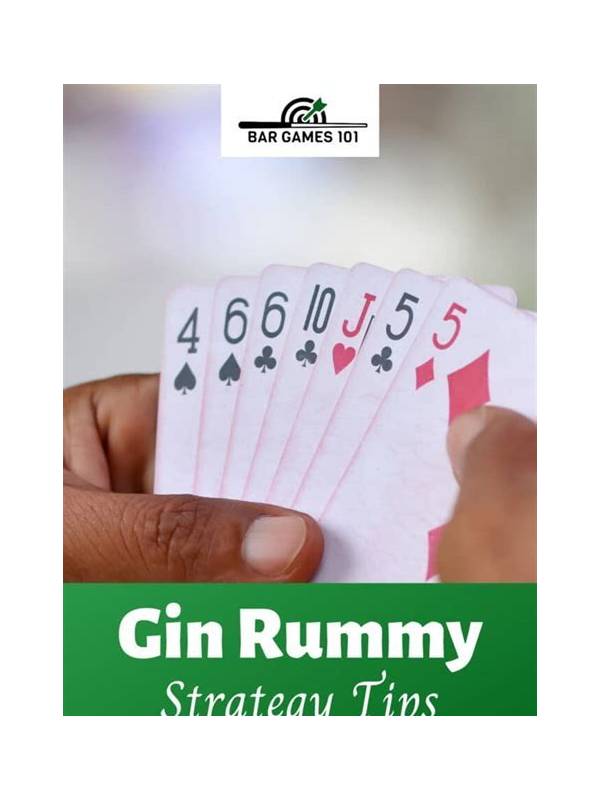
Rummy Tips: Learn From the First Three Turns

The first few turns of a rummy hand are too early for certainty, but they are ideal for establishing a baseline. By observing what your cards do and how the table behaves, you can avoid carrying an unsuitable opening plan deep into the round.
On the first turn, sort the hand into complete groups, connected cards, pairs, and isolated cards. Do not force a final arrangement. Your goal is to see which cards already cooperate and which cards have the highest opportunity cost. A middle card with several neighbors may deserve patience even if it is currently alone.
On the second turn, compare the new card with the baseline. Did it improve an existing route, create a separate route, or merely replace an isolated card? If it creates a separate route, check whether that route is better or simply newer. Keep the route that advances a requirement with fewer missing pieces and a stronger fallback.
On the third turn, review the discard information. Look for repeated ranks, visible connectors, and cards opponents have chosen to take or reject. The sample is small, so treat it as a hint. Its main purpose is to remove clearly unlikely routes and identify discards that require extra caution.
At this point, choose a working priority. It could be completing a mandatory sequence, protecting a strong pair, or reducing high-card exposure. State the priority in one sentence and select a backup. This gives the middle game a direction without making you stubborn.
Avoid two opening mistakes. The first is keeping every pair and connected card, which leaves no room for useful draws. The second is discarding every singleton immediately, even when a singleton is flexible or essential to a legal route. The first three turns should balance structure with space.
If the opening hand is poor, success may mean reducing damage rather than finding a perfect pattern. Release narrow, expensive cards, preserve flexible low-risk cards, and wait for evidence. If the opening hand is strong, do not overcomplicate it by chasing a second ambitious route.
The first three turns are a diagnostic period. They tell you what the hand naturally supports, how much space remains, and which information the table is providing. A short baseline review creates better decisions for the many turns that follow. Do not judge the opening by whether it contains many pairs. A hand with one dependable sequence route and several low-risk cards may be healthier than a hand full of duplicates. The early review is about structure and space, not about counting the most visually obvious patterns.
Related Post
Rummy Tips: Use a Two-Pass Sort on Every New Hand
A two-pass sorting routine separates quick structure from deeper analysis when a new rummy hand [...]
Rummy Comparison: Cautious Openings Versus Aggressive Openings
The best opening style depends on the hand’s flexibility, the format’s pace, and the cost [...]