Rummy Tips: Protect the Last Unmatched High Card
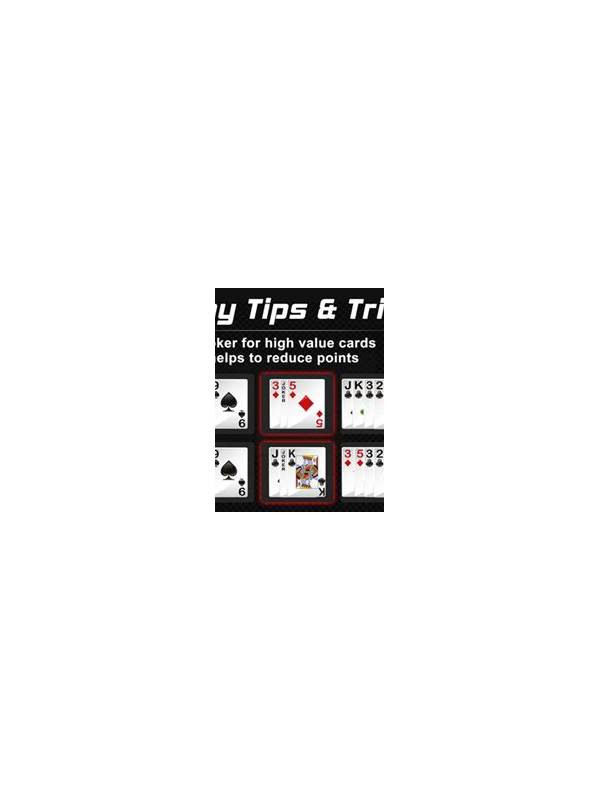
The last unmatched high card often creates pressure because it carries points and has no obvious home. The safest response is not always an immediate discard. First check whether it connects to a realistic sequence, whether a pair supports it, and whether the open pile makes it dangerous to release. A short evaluation can prevent both needless risk and needless waiting.
Start with penalty. If the hand could end soon, an isolated king, queen, or jack deserves attention even when it has a possible neighbor. Count the points that would remain if your next draw misses. Then count the useful cards that could improve the card. A high card with one thin out is usually a poor long-term investment, while a high card that forms a two-way connector may justify one more turn.
Next, examine the discard context. Has an opponent recently taken a nearby card from the open pile? Have several cards of the same suit appeared in discards? These facts can change the risk of releasing your high card, but they do not prove an opponent needs it. If the discard could help someone immediately, consider a different high-point card or a lower-risk release that keeps your own structure intact.
Use a deadline. For example, keep the card through one draw if it has multiple live outs; otherwise place it at the front of the queue. If the deadline arrives without evidence, let it go. A deadline turns uncertainty into a controlled experiment and prevents attachment to a card merely because it once looked promising.
Review the result without judging only the outcome. A discard can be correct even if an opponent later picks a related card, and a hold can be correct even if it never improves. Ask whether the decision matched the information available at the time. Repeating this review teaches you to manage high cards by risk and structure rather than by fear of seeing them in another player’s meld. There is also a difference between protecting a card and protecting a route. If the high card is the only natural bridge to a legal sequence, keep it even when its point value feels uncomfortable. If it merely belongs to a speculative pair, its route may be less valuable than the immediate reduction in penalty. When discarding, consider whether the card is likely to be picked and whether that possibility is acceptable within your risk limit. No discard is perfectly safe; make the trade-off explicit and proportionate to the stage of the hand.
Related Post

Rummy FAQ: Can a Low Card Be a Bad Discard?
Low-value cards can still be strategically important, so their point value alone should not decide [...]
How to Set a Rummy Practice Goal You Can Measure
Turn vague rummy practice into a measurable exercise with one behavior, one limit, and one [...]