Rummy Tips: Use a Stoplight System for Hand Review
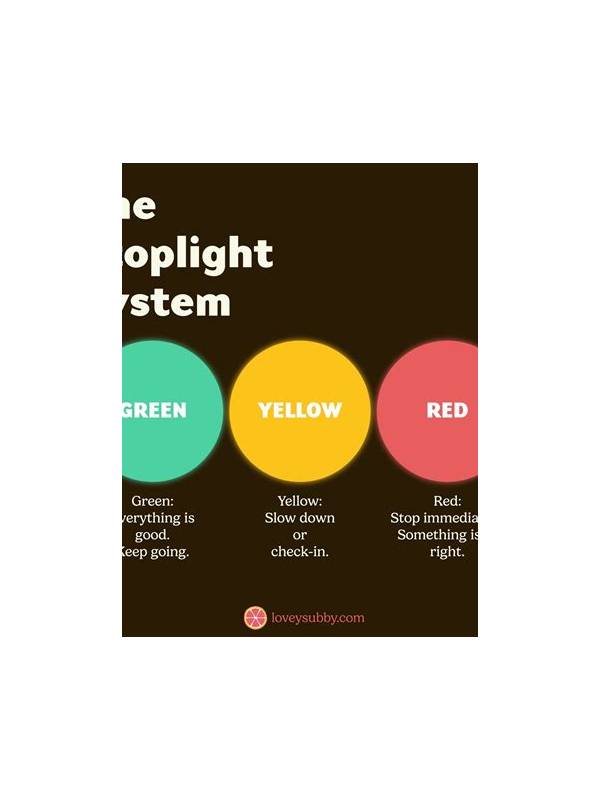
A stoplight system can make hand review quicker. Green means a plan has confirmed structure and several credible next steps. Yellow means the plan is possible but narrow, expensive, or dependent on limited information. Red means the plan has no clear improvement route and should be released or rebuilt. The colors describe the plan, not your mood or the eventual result.
Use green for groups that are already legal where the format permits them, or for incomplete arrangements with multiple useful extensions. Green does not mean “keep everything.” A green plan can still contain one isolated card that should be evaluated separately.
Use yellow when the hand is waiting on a narrow card, when two plans compete for one resource, or when the table’s deadline is approaching. Yellow calls for a review trigger. You might decide to release the least connected piece after the next unhelpful draw, rather than waiting until the choice becomes urgent.
Use red when a plan is supported mainly by investment or imagination. If you cannot name the missing card types, the group’s legal status, or a reasonable alternative, the plan is probably red. Do not rescue it by assigning a new label without new evidence. A clean discard can be progress.
Apply the system after each meaningful draw and before a declaration. If all plans are yellow or red, simplify the hand. If a red plan contains a high-penalty card, consider whether releasing it reduces risk even without creating a perfect replacement.
In a practice journal, record one color change and its cause. This teaches you to notice when evidence actually improves a hand. The stoplight system is valuable because it compresses a complicated review into a repeatable prompt while leaving the final decision to the current rules and cards.
Do not let a color become a superstition. Green is not a promise of winning, and red does not mean every card in the plan must be discarded immediately. Use the label to decide what deserves inspection. A green structure may contain a costly leftover; a yellow route may be the best available option near the end. The map supports counting and rule checks; it does not replace them.
Review the color after meaningful events, not after every passing feeling. Evidence changes color; anxiety alone does not.
Related Post
Rummy FAQ: What Is a Closed Deck?
A clear explanation of the closed deck helps new players understand hidden draws and why [...]
Rummy Safety: Audit Links Before Downloading a Game File
Follow a cautious checklist for evaluating a download link before opening an unfamiliar game file. [...]