Rummy Tips: Use a Three-Column Hand Map
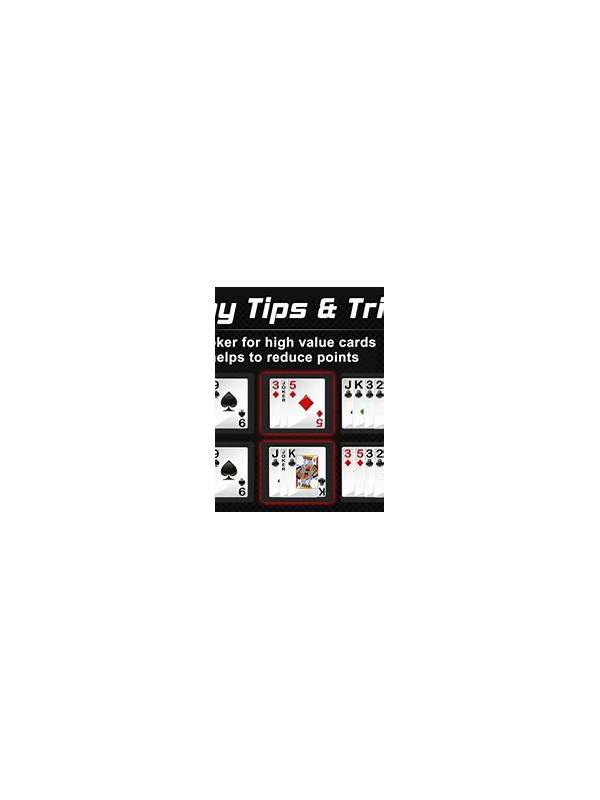
Put cards in confirmed groups in the first column, plausible incomplete groups in the second, and isolated or expensive cards in the third. The map is a decision aid, not a declaration layout.
Start with confirmed groups and protect the requirements they satisfy. Then list possible groups with their exact missing cards. If a possibility has no clear completion or consumes too many cards, move it to liabilities. This prevents weak ideas from receiving the same attention as strong ones.
Before drawing, ask which column the next card would improve. A card that moves a possible group into confirmed is meaningful. A card that creates another possibility may only increase clutter. Update the map after substantial changes and keep notes private. The columns do not predict the hand; they make its current structure easier to compare.
Related Post

Rummy Safety: Avoid Sharing One-Time Codes in Game Chats
One-time codes should remain private even when a message claims to offer account or game [...]
Rummy Comparison: Single-Goal Turns Versus Multi-Goal Turns
Compare focused turns with ambitious turns to decide how much a hand can realistically accomplish [...]