Rummy Tips: Use a Two-Column Draw Log
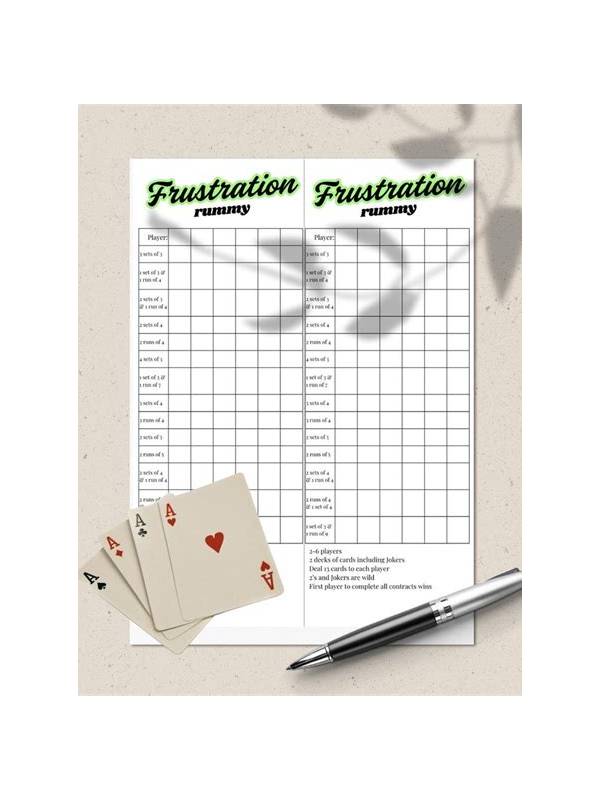
A draw log does not need to contain every detail of a rummy hand. A simple two-column note can be enough to show why a plan succeeded or stalled. The first column records the card or event you observed. The second records what you chose to do with that information. This separation keeps memory from blending facts and explanations together.
Label the first column “seen.” Add cards you draw, cards you discard, and public changes that matter to your plan. Use short entries such as “nine of clubs drawn” or “middle pile shows queen of diamonds.” Do not try to reconstruct hidden cards. The value of the log comes from its limits: it describes the information available at the time.
Label the second column “response.” Write the action you took and one brief reason. For example, “kept nine of clubs for a possible run” or “released king because it had no neighbor.” A reason should describe your decision, not predict an opponent. “Needed a lower-risk discard” is more useful than “opponent definitely has the ten.”
Review the log between hands rather than during every turn. Look for repeated responses. You might discover that you keep isolated cards for too long, or that you discard useful connectors whenever a high card appears. These patterns are easier to notice in a short list than in the emotional memory of a close hand.
The log can also track plan changes. Add a small mark when your original route becomes unattractive and write the new target. A clear change is not wasted effort; it may be the correct response to new information. Comparing the entry that triggered the change with the resulting hand will teach you which signals deserve attention.
Keep the process comfortable. If writing distracts you from the table, record only the last three decisions or review a replay afterward. The goal is not perfect data. It is a reliable prompt for reflection. A two-column log works best when it remains quick, neutral, and focused on decisions you can improve.
You can add a small third mark without changing the basic method: note whether the response was reversible. Keeping a connector is often reversible because a later discard can release it. Breaking a confirmed foundation may be much harder to repair. This distinction helps you review decisions fairly. A response that looked imperfect but preserved options may have been sound, while a quick move that closed several routes deserves closer attention. Keep the mark optional so the log remains light enough to use consistently.
Related Post
Reading a Rummy Scoreboard Without Misreading Momentum
Learn how to use a rummy scoreboard as context without letting a running total dictate [...]
A Beginner’s Guide to Rummy Suits and Sequence Direction
Understanding suits and allowed sequence order makes card grouping much less confusing for new players. [...]