Rummy Tips: Use the Discard Pile as a Timeline
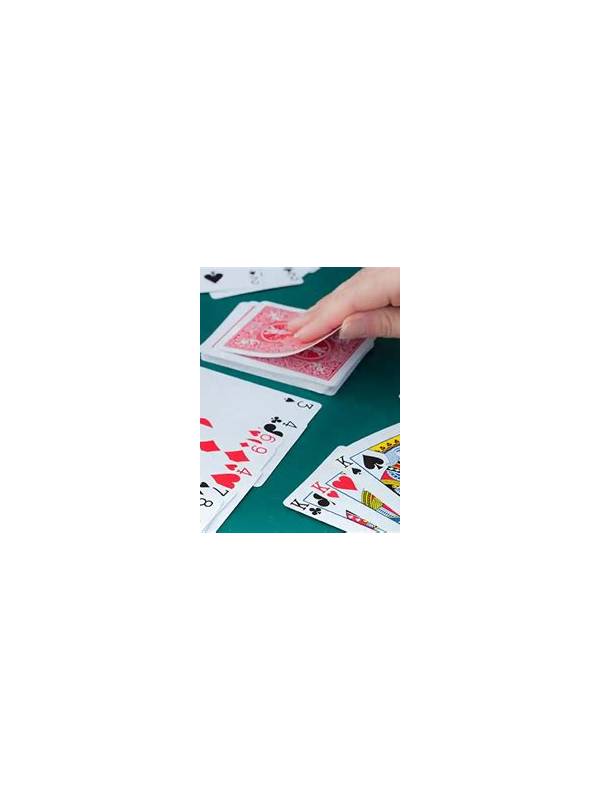
The discard pile is more than a list of cards that other players did not want. Read from the newest card backward and it becomes a rough timeline of changing plans. A player may have released a high card early, then discarded a connected middle card later. That change can suggest that an earlier route was abandoned, though it should never be treated as certainty.
Begin with categories instead of exact recall. Notice whether recent discards are high or low, repeated ranks, connected cards, or cards from the same suit. Categories are easier to remember and still help you decide whether a visible card is likely to be useful. If you do remember an exact card, use it as supporting evidence rather than building an entire conclusion around it.
Compare the newest discard with earlier discards from the same player when the rules and table position make that information available. A shift from one suit to another may indicate a new route, or it may simply reflect a forced discard. Look for two or three related signals before changing your own plan. One card is usually too little evidence.
The timeline also helps with your own decisions. Ask what your last three discards communicate. Releasing several cards from one suit may make your remaining cards harder to read, but it may also reveal a pattern. Avoid trying to send false signals; focus on discarding cards that are genuinely weak while keeping the information you need.
Do not let observation slow the game or create anxiety. Make a short note after each relevant turn: “high cards leaving,” “middle cards retained,” or “same rank repeated.” At the end of a hand, compare your notes with what actually happened. The goal is a practical reading habit, not perfect surveillance. A simple timeline can improve choices while leaving mental room for your own hand.
Avoid turning the discard pile into a story about personalities. A player may choose a card for many reasons, including point value, table position, or a temporary need to reduce clutter. Keep your interpretation modest and update it when new evidence appears. The most useful observation is often local: whether the card you are considering would improve your own hand and whether releasing it creates an avoidable opportunity for someone else. That question remains valuable even when your timeline is incomplete. Use the timeline as a prompt, not a verdict. It should help you pause before releasing a card, then return attention to your own structure. If the notes become distracting, reduce them to one category per turn. A useful observation that you can apply calmly is better than a detailed record that makes you second-guess every ordinary move.
Related Post
Rummy Table Selection: Match Format to Your Attention
Choosing a table by pace, format, and personal attention helps keep an online rummy session [...]
Rummy Safety: Verify Rules Before Joining an Unfamiliar Variant
Confirming the format, scoring, and declaration rules protects you from avoidable mistakes in an unfamiliar [...]